
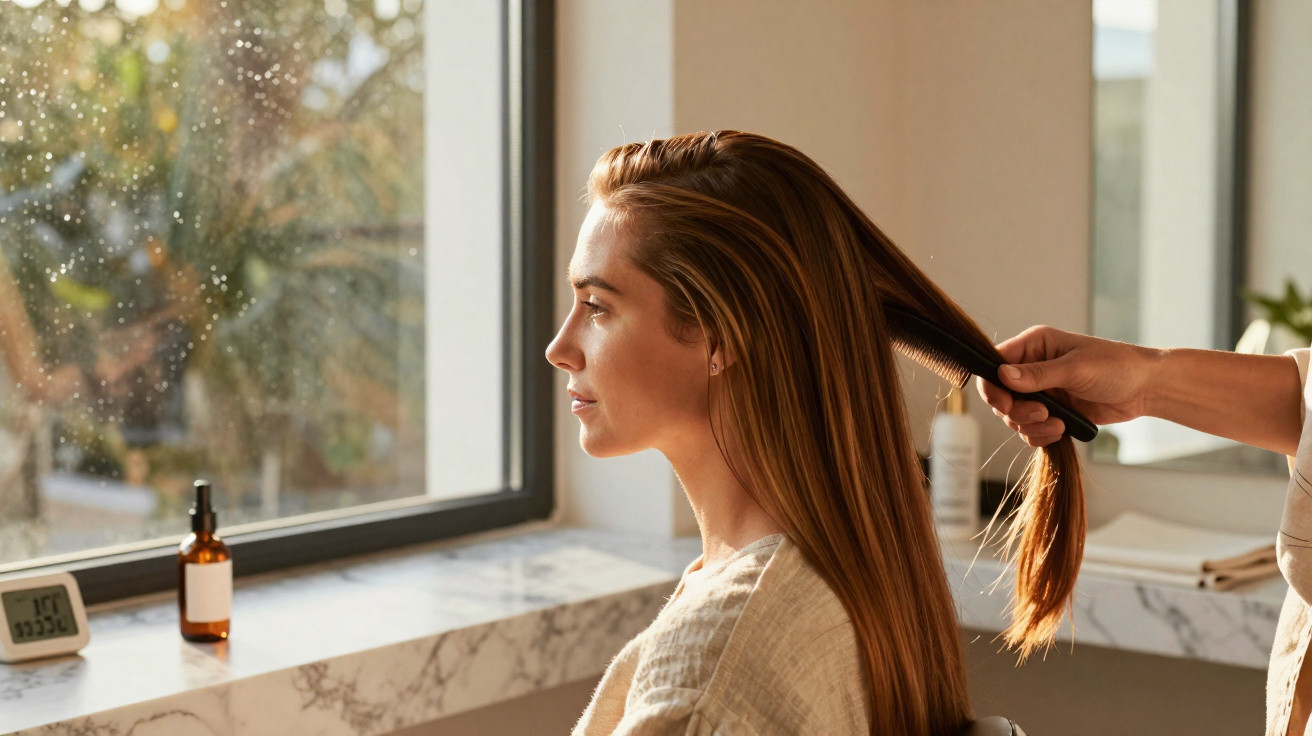
In a nutshell
- UK humidity spikes are set to knock hairstyles off course this summer. It’s most noticeable on over‑40 hair with higher porosity and emerging grey, because hydrogen bonds keep breaking and re‑forming.
- Keratin treatments can act as smoothing “insurance” (less frizz, quicker styling), but you need to balance pros vs. cons: possible formaldehyde exposure versus typically milder glyoxylic systems-and be realistic about how much curl remains.
- What you do at home matters just as much: lean into anti‑humidity methods such as pH‑balanced protein care, film‑forming sealants instead of heavy humectants, consistent heat‑setting, plus curl‑friendly diffusing and preservation.
- Pricing is usually £150–£300, with results lasting 8–16 weeks. Protect the investment with sulphate‑free cleansing, UV protection, and personalised aftercare that holds up to heatwaves and frequent washing.
- Work with your stylist for predictable results: ask for a strand test, confirm formaldehyde‑free choices and proper ventilation, and schedule around colour and lifestyle (gym, swimming).
Forecasts are pointing towards a sticky British summer: bursts of heat paired with on‑and‑off showers and plenty of humidity. That combination tends to lift cuticles, undo careful finishes, and keep salon teams busy as frizz creeps back in by midday. In response, many UK hairdressers are increasingly recommending keratin treatments to clients over 40 to help maintain smoothness and shape between visits-but it’s not a one‑size‑fits‑all decision. As hair ages it often becomes drier, more porous, and more likely to swell in humid conditions, and the scalp can be less tolerant of stronger chemistry. Below is a practical guide to the season ahead: what moisture in the air does to mature hair, when a smoothing service is worth it, and which products and techniques help styles stay put.
Why Humidity Spikes Matter for Midlife Hair
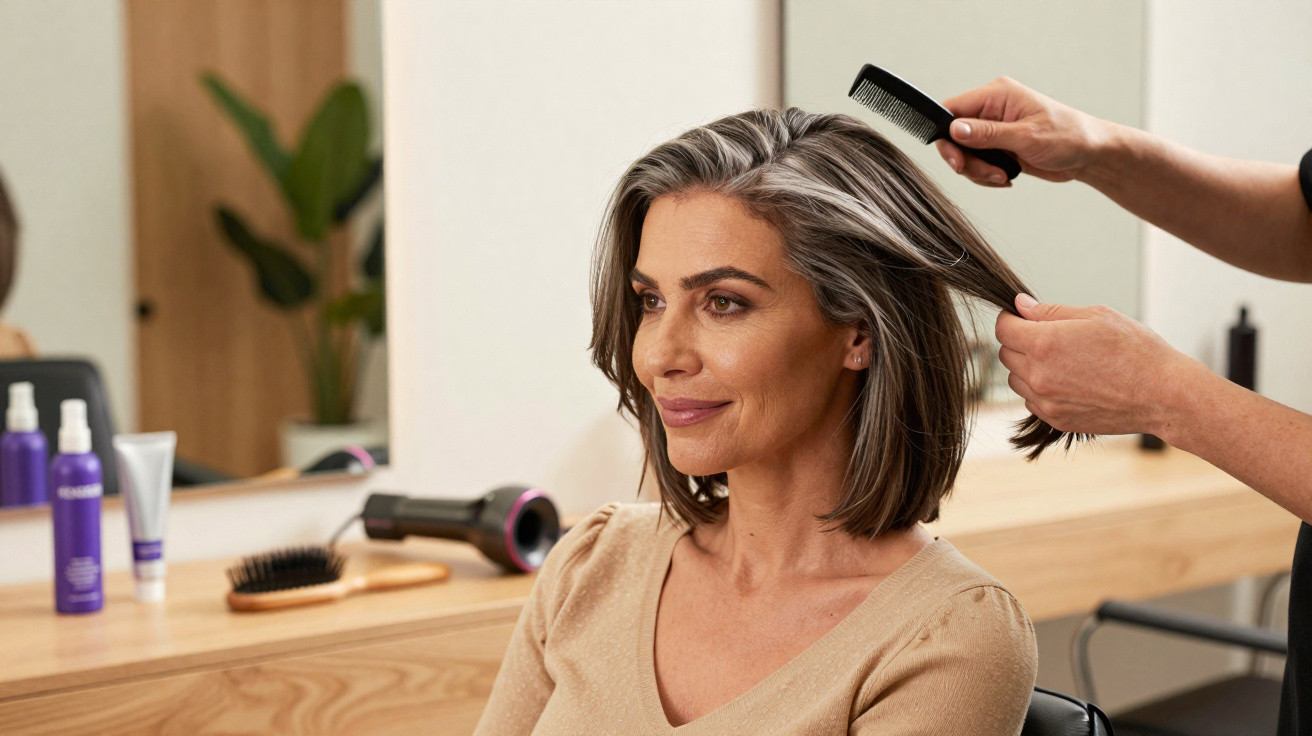
Frizz isn’t “made” by humidity-humidity reveals what’s already vulnerable. When water vapour increases, hydrogen bonds inside the hair fibre continually loosen and re‑connect, and strands slip out of their set pattern. From your 40s onwards, many people experience increased porosity, whether from years of colouring, regular heat styling, or the coarser, slightly raised cuticle that often comes with new grey growth. The more porous the fibre, the quicker it absorbs moisture from the air-and the more it expands. The knock‑on effect is familiar: curls lose definition, blow‑dries drop, and fringes and the crown “halo” fluff out. Even hair that’s well conditioned can behave unpredictably when the dew point stays high for several days.
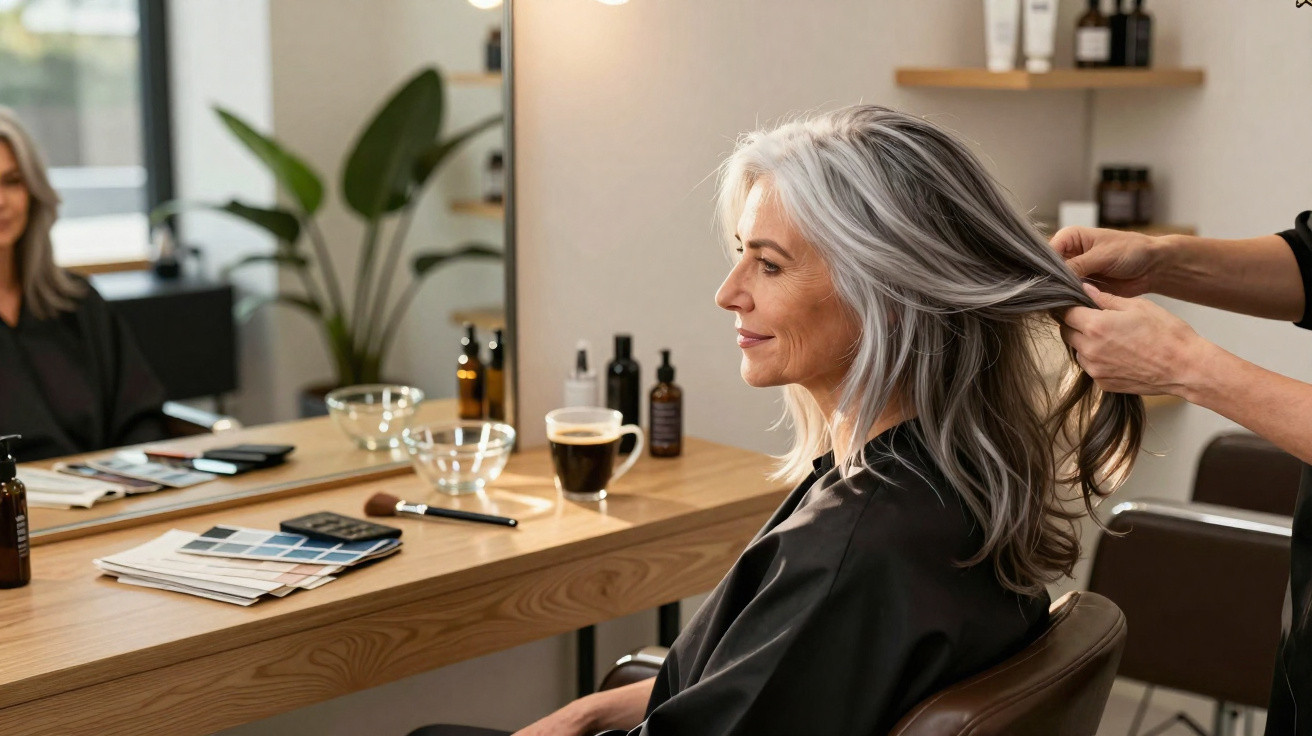
The impact isn’t only physical-it affects confidence and time. If you need a sleek finish for work, presentations, or events, you’re often forced to choose between more daily tool time or a longer‑lasting salon approach. One Manchester reader emailed to say her newly silver curls “double in size by lunch” on muggy days; her stylist described the problem not as unruly hair, but as a cuticle management issue. In real terms, that means reducing porosity, limiting re‑wetting from sweat, and picking styling products that resist humidity rather than drawing it in.
- Key point: Humidity doesn’t just add volume-it destabilises your chosen style shape.
- Grey/transitioning hair: Often feels coarser, with more lifted cuticles that readily absorb moisture.
- Colour‑treated hair: Extra porosity from bleach or high‑lift colour can intensify frizz.
- Scalp changes: Skin may be drier or more reactive, which can rule out harsher chemical options.
Keratin Treatments: Pros vs. Cons for Over-40 Clients
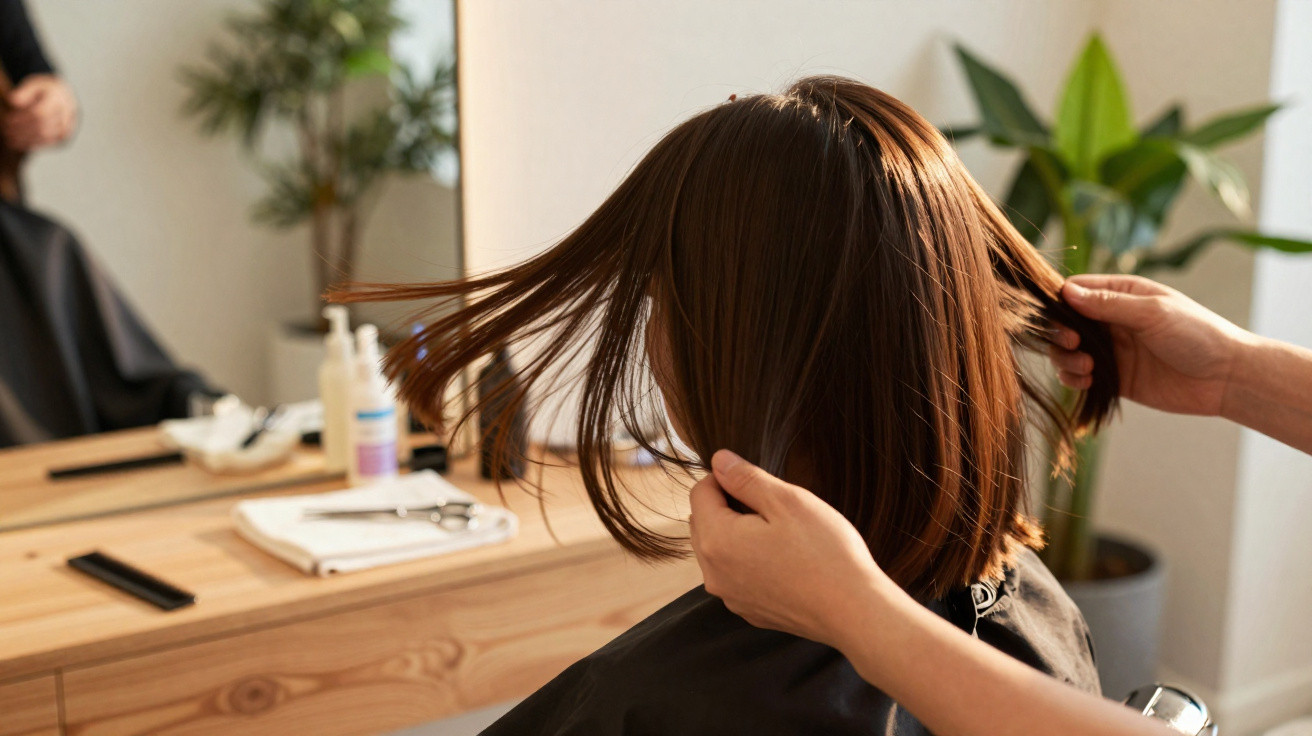
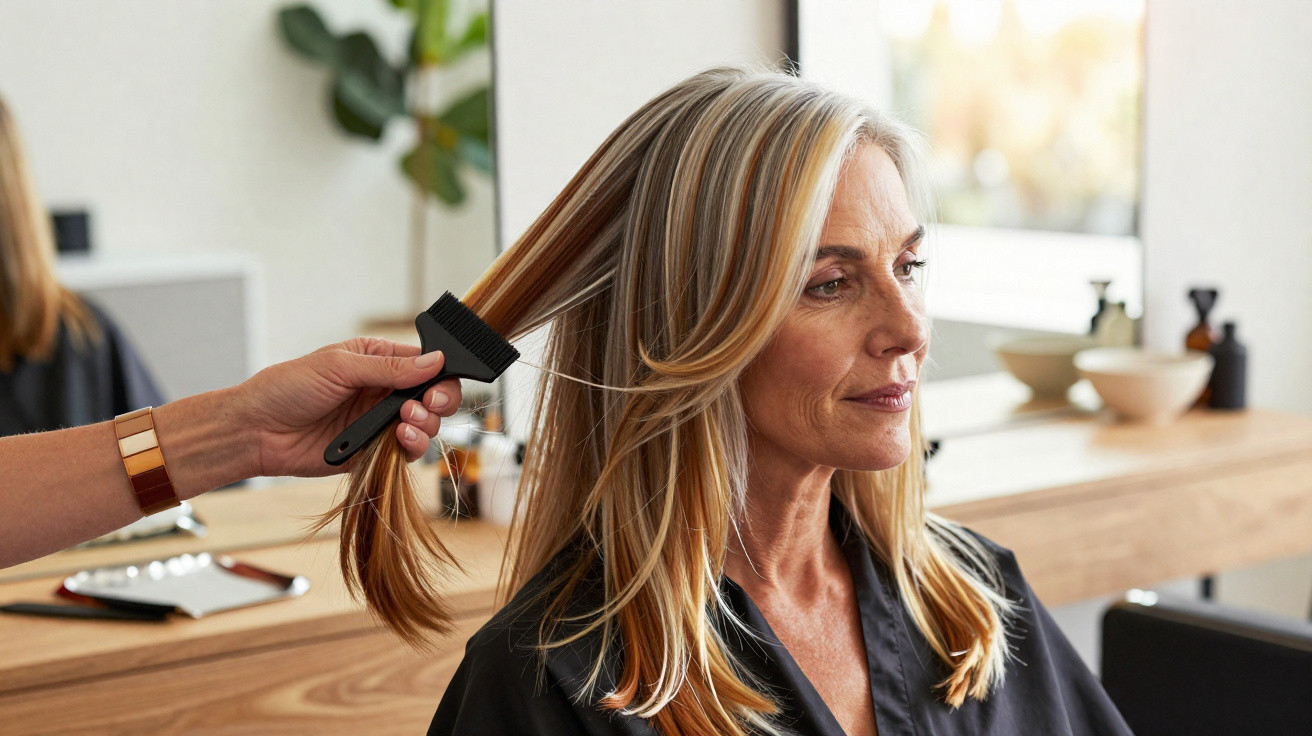
Most salon “keratin” services are best understood as bond‑rearranging smoothers. They aren’t the same as relaxers and they don’t permanently straighten; instead, they help fill weak points, reduce friction along the cuticle, and encourage a sleeker set that holds up better through damp journeys and sudden showers. For many people aged 40+, the upside is obvious: less day‑to‑day heat, more consistent shape, and a buffer against summer’s swings in moisture. Still, it’s important to consider the formula, your sensitivity, and the upkeep required. Some systems use or can release formaldehyde (or formaldehyde‑donors) when heat is applied-often very effective, but debated due to potential irritation for eyes and lungs and the impact on salon air quality. More recent options tend to rely on glyoxylic acid blends and amino/bio‑polymer technologies: frequently gentler, though they may deliver a subtler change on very coarse textures.
It also helps to set expectations properly. Think of a keratin appointment as “smoothing insurance” rather than a promise of pin‑straight hair. If your hair is fine but frizzes easily, you might gain shine and humidity resistance without sacrificing valuable lift at the roots. If you have tighter curls, you’ll usually notice calmer cuticles and some elongation, while your natural texture still shows through. With post‑40 hair, stylists often consider reduced sebum at the scalp and a greater tendency towards dryness: sealing porosity can be beneficial, but pushing hair too far can tip it into damage. Patch tests and strand tests are non‑negotiable, particularly if you’re sensitive or you’ve coloured recently.
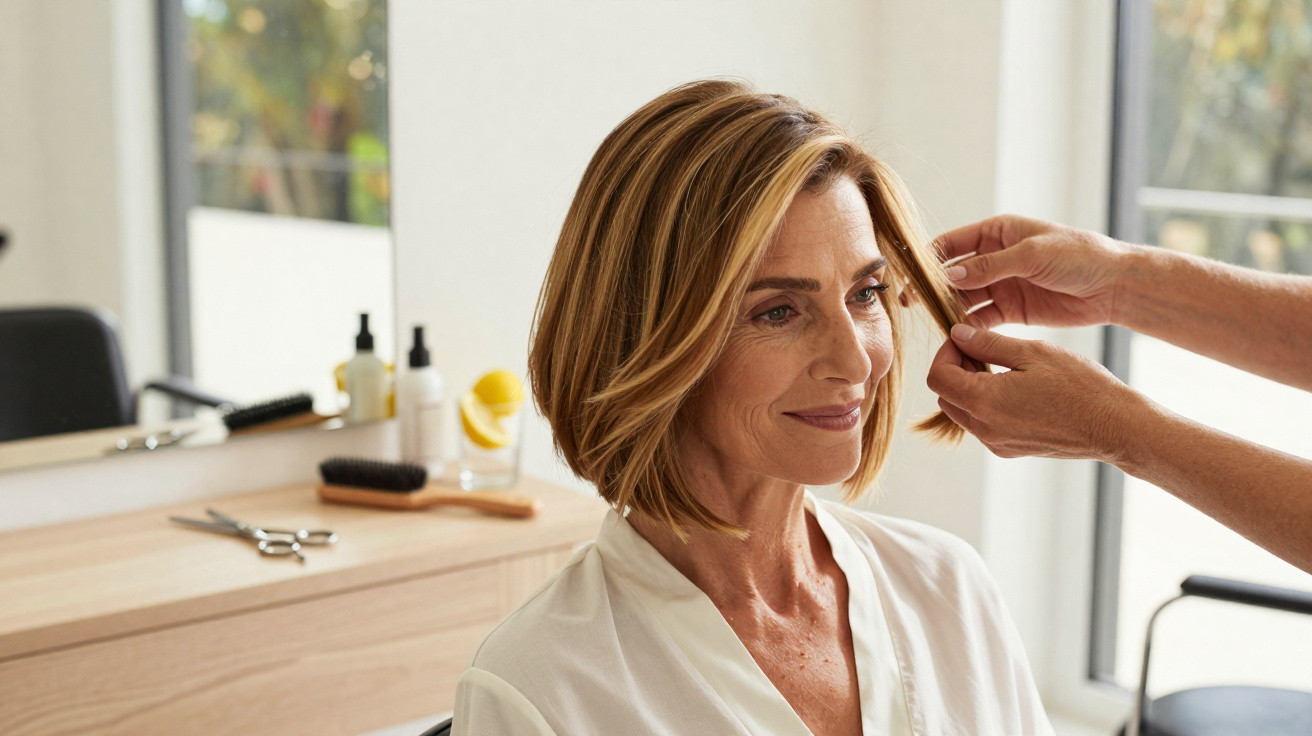
In large UK cities, costs typically fall between £150–£300, and results usually last 8–16 weeks, depending on how often you wash, what you use at home, and how “tropical” the weather turns. The strongest results tend to come from combining the service with sulphate‑free cleansing, proper heat‑setting during styling, and finishing products designed to block humidity. Use the comparison below to weigh your options.
| Pros | Cons |
|---|---|
| Helps reduce frizz and puffing in high humidity; speeds up styling. | Some formulas may involve formaldehyde/vapour exposure; can irritate sensitive scalps. |
| Boosts shine and smooths the cuticle; supports colour vibrancy. | High cost; requires maintenance products; effects fade gradually over time. |
| Can reduce reliance on daily heat-useful when midlife hair is prone to dryness. | May relax curl pattern more than you’d like; unsuitable for very compromised ends. |
| Useful as a seasonal approach when dew points peak. | Needs planning around colour services (often keratin first, or 1–2 weeks later). |
Smart Summer Strategies Beyond the Salon
Whether you book keratin treatments or skip them, the difference in summer often comes down to preparation, product choice, and method. Begin with cuticle control. Once a week, use a pH‑balanced protein‑peptide rinse to help reinforce porous areas, then apply a lightweight anti‑humidity sealant-for example silicones, polyquaterniums, or blends based on plant waxes. When the air is very humid, heavy humectants (such as high‑percentage glycerin) can work against you by drawing additional water into the fibre. In those conditions, prioritise film‑formers that help repel moisture without leaving hair stiff or weighed down.
Heat styling pays off when it’s done with intention. Dry roughly to about 80%, then smooth with a brush using directional tension, and finish with a cool shot to help “set” hydrogen bonds. If you wear your hair curly, layer a leave‑in first, then a gel that includes humidity shielding; diffuse using low heat and low airflow. After that, focus on protecting the set: sleep on silk pillowcases, use a loose pineapple updo, and blot with microfibre after workouts rather than rubbing. Keeping a small travel dryer at work can also revive a fringe in a few minutes.
- Routine tweaks: Reduce shampoo frequency; consider co‑washing or very gentle cleansers to preserve smoothing.
- Scalp care: Lightweight toners containing niacinamide can refresh roots without harsh stripping.
- Sun defence: UV filters help limit colour fade, which can increase porosity and frizz.
- Travel tip: Carry mini anti‑humidity sprays-dew points can change quickly on seaside breaks.
Diet and hydration still play a role. Sufficient protein, omega‑3 intake, and roughly 1–2 litres of water a day can support overall fibre resilience. If your hair is fine and collapses in muggy weather, choose lightweight polymers instead of oils; if it’s coarse, a richer cream under a sealant can add control without making hair crunchy.
What UK Stylists Are Planning-and What Clients Should Ask
Salons are already preparing for a tacky forecast: more smoothing bookings, longer blow‑dry appointments, and improved ventilation when temperatures climb. Many are now offering two clear routes-formaldehyde‑free options for clients who are sensitive, and more traditional keratin systems for those who want the strongest frizz control. The most successful services start with a forensic consultation. Bring a week’s worth of photos in real‑life settings-commutes, gym sessions, pub gardens-so your stylist can see how humidity shifts your texture outside the salon chair.
Be upfront about medication, hormonal changes, and your colour history, as each can affect porosity and reactivity. Ask how the service will hold up with your normal routine: swimming, spin classes, and frequent washing can shorten wear time. Request a strand test so you can preview how much curl relaxes and what level of shine you’ll get before committing. Finally, get clarity on aftercare-which shampoos to use, how long to wait before tying hair up, and when it’s safe to re‑colour.
- Smart questions to ask:
- “Is your smoother formaldehyde‑free, and how is the room ventilated during heat sealing?”
- “How will this affect my curl definition and root volume after two weeks vs. two months?”
- “What’s the plan if heat waves last longer-top‑up, product tweaks, or both?”
- “Can we time this around my highlights to preserve brightness and bond strength?”
With Britain bracing for sticky stretches between sunshine and showers, the priorities are straightforward: manage porosity, cut down friction, and set your style so it doesn’t collapse at the first hint of drizzle. For many over‑40 clients, a well‑chosen keratin treatment can be a strong summer ally, but it’s not compulsory; the right prep, products, and technique can often deliver much of the benefit with fewer compromises. Your best defence is a plan tailored to your fibre, lifestyle, and local dew points. When the next humidity surge hits, will you opt for salon smoothing, improved at‑home care, or a hybrid that adapts as the forecast changes?
Comments
No comments yet. Be the first to comment!
Leave a Comment