

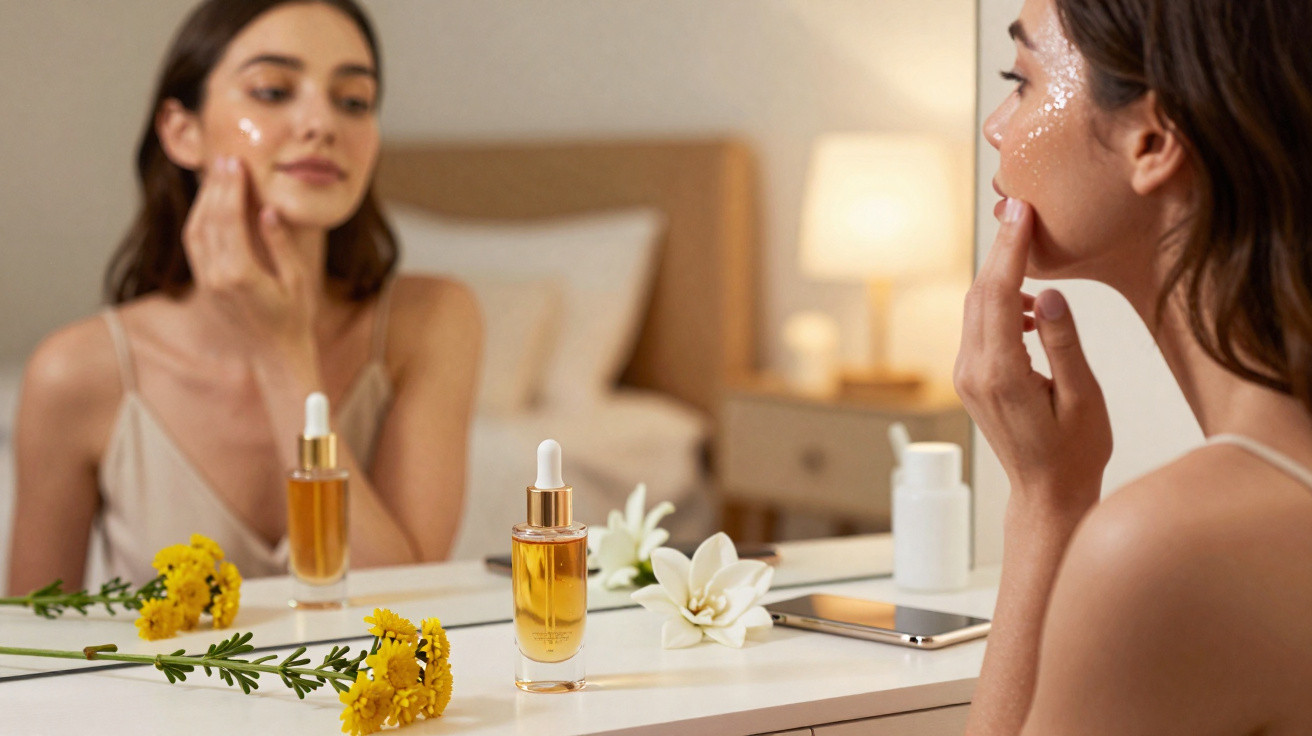
Serums, creams, make-up, hair appointments: as we get older, many of us recognise the pressure to keep looking “fresh” and well groomed. Specialists warn, however, that chasing the perfect look can easily take you in the wrong direction. The mirror may offer quick reassurance, but quieter, more decisive factors can slip out of focus - health, inner steadiness and genuine quality of life.
Beautiful outside, tired inside: when the focus shifts
Women in particular, from 40 onwards, often say they are “constantly doing something” to themselves: new skincare, device-led cosmetic treatments, fillers, diets. The skin can look smoother for a while, facial contours a little firmer. Yet, at the same time, exhaustion, sleep problems, stress and physical niggles frequently increase.
“If you only work on the surface, you cover up the signs of ageing - but you don’t change the process that causes them.”
Experts describe this as a structural issue. External optimisation creates a sense of control because you can “do something quickly”. Strengthening the physical and emotional foundations, by contrast, takes time, patience and routines. And those are exactly what many women lack: they may look polished on the outside while, internally, they are burning out.
Self-care isn’t a spa day - it’s a system
If you want to stay vital and attractive over the long term, self-care needs to be a consistent framework, not an occasional treat after a stressful spell. This isn’t about a flawless health plan; it’s about a stable, repeatable baseline you can sustain in everyday life.
Routines instead of spur-of-the-moment fixes
Women who look genuinely youthful later in life often talk about set patterns they barely need to think about:
- a clear morning ritual: cleansing, gentle care and SPF
- regular mealtimes built around broadly similar, balanced basics
- a simple but consistent evening cleanse-and-moisturise routine
- fixed times for movement - whether the day “allows it” or not
The upside is straightforward: the fewer daily decisions you have to make (“What am I eating?” “Am I doing skincare today at all?”), the easier it is to stay consistent. Small, well-worn habits add up over years to visible results - in the face, the body and your energy levels.
Strength, not just skincare
One point many women underestimate: looking good as you age isn’t only about firm skin - it also depends on a strong body. Posture, the way you walk and how you move shape overall impression far more than an expensive cream.
Why strength training belongs in an anti-ageing foundation
Regular strength training - or any targeted muscular stimulus - functions like an investment in your “future body”:
- it supports joints and helps prevent pain
- it improves balance and steadiness
- it shapes your silhouette, even without extreme dieting
- it lifts mood by activating messenger substances in the brain
- it slows the loss of muscle mass during and after the menopause
“A straight back, a steady step and an alert look seem younger than any filter photo.”
Even two to three short sessions a week - using bodyweight, dumbbells or resistance bands - can shift the direction completely compared with pure “skin management” at the bathroom mirror.
Sleep: the overlooked anti-wrinkle booster
Many women work hard during the day, then take care of family or the household in the evening - and then cut corners on sleep of all things. The payback arrives faster than most expect: dull complexion, puffy eye area, deeper expression lines, irritability.
Treating sleep as a non-negotiable appointment brings several benefits at once:
- the skin repairs itself and minor inflammation settles
- stress hormones fall, which slows wrinkle formation
- cravings for sugary and fatty foods reduce
- concentration improves and mood swings ease
In practical terms, a consistent bedtime helps, as does a darkened bedroom, a screen break before sleep and a firm boundary: after a certain time, work stops.
Stress: what it does to your skin and face
Constant pressure doesn’t only show up in your diary - it shows up, quite literally, in your face. Tension becomes visible as forehead lines, narrowed eyes and a clenched jaw. Skin can look unsettled, while spots or redness increase.
“If you learn to recognise stress early, you don’t just prevent burnout - you also prevent the typical ‘permanent-worry wrinkles’.”
Simple strategies with big impact
Many effective approaches fit into a normal routine:
- brief breathing pauses in between tasks - 5 slow, conscious breaths before the next to-do
- regular conversations with trusted people instead of “soldiering on and swallowing it down”
- mini rituals such as a walk without your phone or a cup of tea in silence
- guided meditation via apps or podcasts - 5–10 minutes is enough to begin
When these techniques become habits, they protect your nerves, skin and cardiovascular system at the same time - and you come across as calmer, more open and more present.
Skincare: fewer experiments, more consistency
Many women constantly try new products, treatments, acids and trends. The skin gets overwhelmed and can become irritated. Professionals see this kind of “skincare hopping” as one of the biggest mistakes.
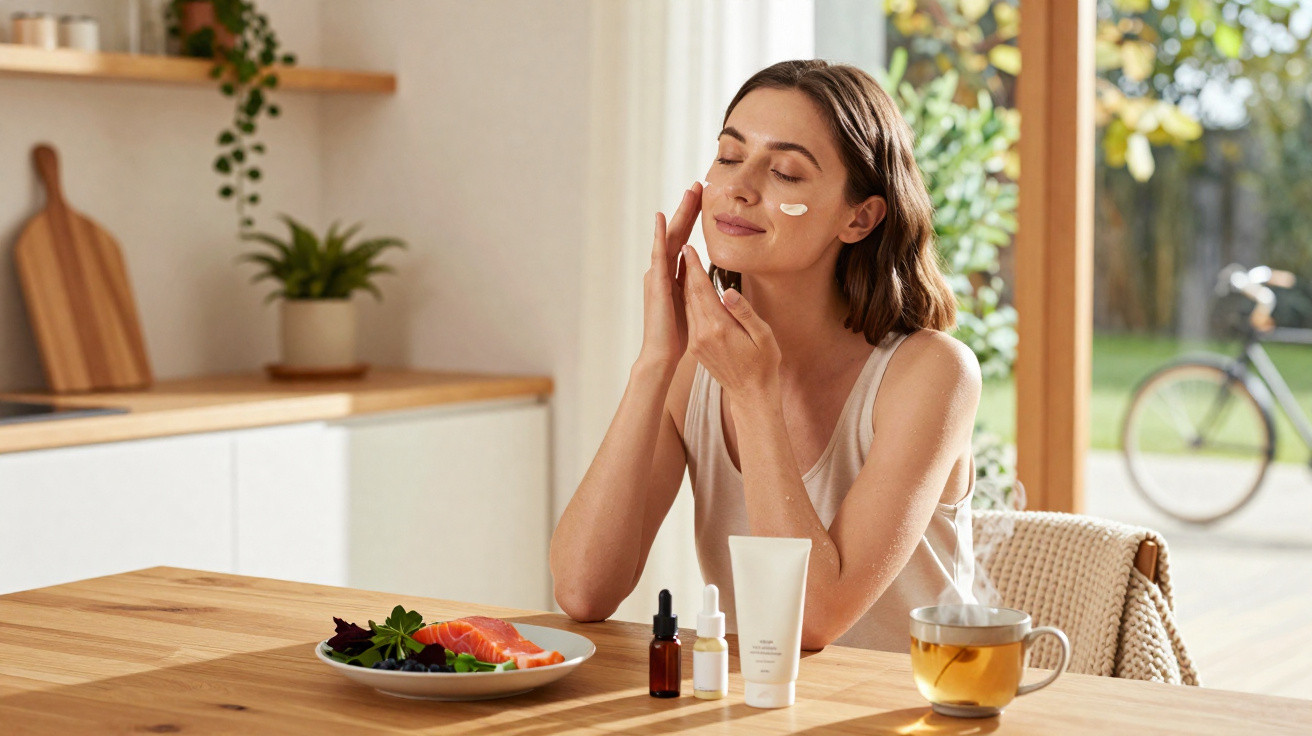
A straightforward, stable routine often delivers better results:
- gentle cleansing morning and evening
- a moisturiser suited to your skin
- consistent sun protection during the day, even in winter
If you want to use active ingredients such as retinol or vitamin C, start slowly and avoid swapping products all the time. Skin responds best to reliability - not a 10-week hype cycle.
Nutrition: energy, not an endless diet
Plenty of women over 40 swing between restrictive dieting and “never mind, I’ll just have it”. That stresses the body, triggers weight fluctuations and drains energy. Far more helpful is a steady, sustainable and rather unglamorous way of eating.
| Building block | Benefit for appearance and wellbeing |
|---|---|
| enough protein | preserves muscle, supports skin and connective tissue |
| fibre | stabilises the gut, influences skin condition and hormones |
| plenty of water | supports metabolism, reduces tiredness and headaches |
| few highly processed products | lowers inflammation, reduces bloating and sluggishness |
This isn’t about never eating chocolate again. It’s about maintaining a baseline where your body is consistently well supplied. That means fewer cravings, fewer mood dips - and skin that isn’t constantly fighting for nutrients.
Mindset: ageing as an enemy or an ally?
If you treat your own ageing process like a battle, you end up fighting a permanent internal war against wrinkles, weight and supposed flaws. That creates pressure, shame and self-criticism - and, over time, tends to make you look harder rather than more radiant.
A different perspective changes a great deal: the body ages because it has been lived in. Each phase leaves marks - in good ways and difficult ones. Women who meet themselves with respect, even as they change, often radiate a calm that feels more attractive than any filter.
“Self-confidence at 60 is more powerful than perfection at 30.”
This mindset doesn’t mean you must accept everything. It shifts the emphasis: away from ruthlessly battling every line, towards the question of how to live this stage of life with as little pain as possible - freely, and with joy.
What “attractive as you age” is really made of
Look closely and a pattern appears among women who seem strikingly vital later in life: they combine unflashy but highly consistent habits. They sleep reasonably regularly, move with intention, eat solidly, keep skincare simple and steady - and pay attention to emotional warning signs before they become ill.
Words like “resilience” (psychological robustness) or “metabolism” can sound abstract, but they show up directly in daily life: how quickly do I recover after stress? How energised do I feel after a meal? Questions like these reveal whether your foundations are sound - or whether you’re optimising the outside while slowly burning out within.
If you have the courage to do less with your make-up bag and more with sleep, movement, nutrition, stress levels and self-image, you move the real lever. The result isn’t an artificially frozen face, but a body that supports you - and a presence that convinces not only in photos, but in real life.


Comments
No comments yet. Be the first to comment!
Leave a Comment