
In a nutshell
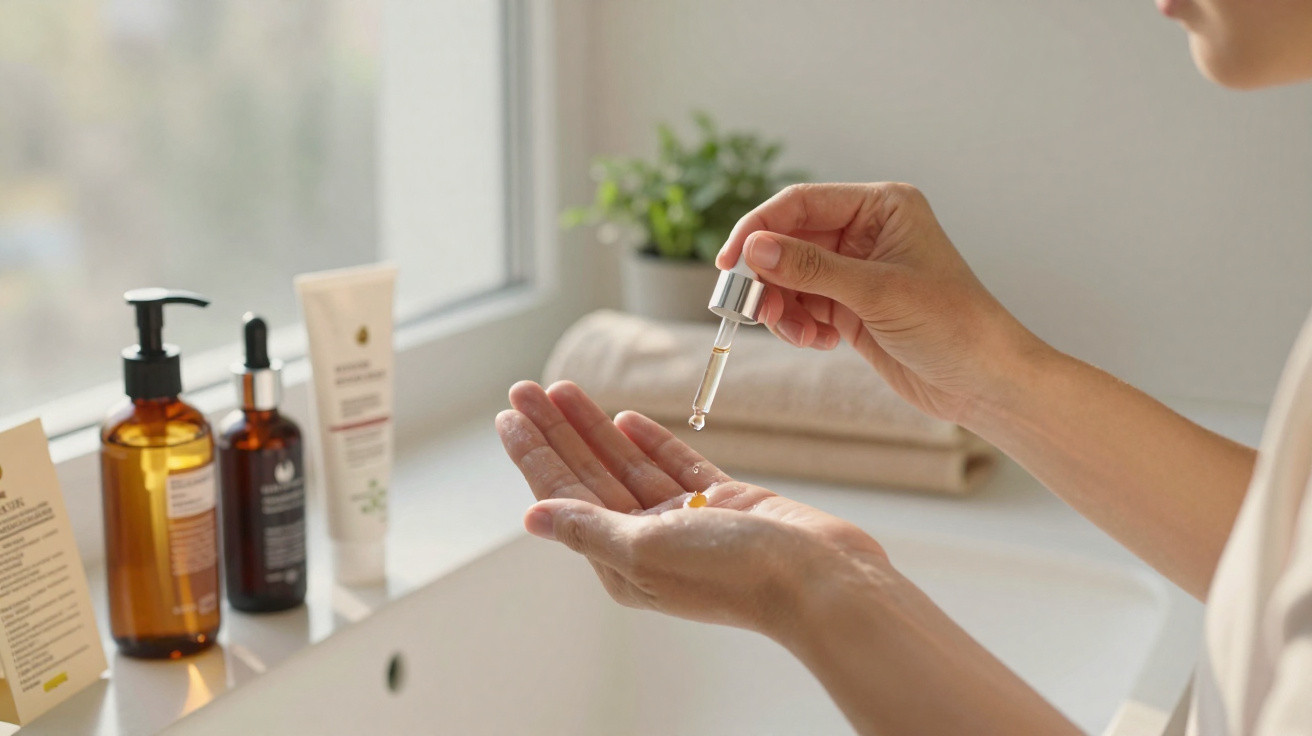
- Retinol supports faster cell turnover and helps collagen; with the UK’s tendency towards dryness, go “low and slow” (0.1–0.3%, 2 nights/week), use a pea-sized amount, cushion with ceramides, and avoid during pregnancy.
- Vitamin C in the daytime helps brighten and protect; pick L-ascorbic acid (L-AA) at 8–15% for strong results or choose gentler derivatives, watch for oxidation (darkening, odd smell), and team it with vitamin E/ferulic acid.
- Use both without chaos: Vitamin C AM, retinol PM. Splitting them reduces irritation, while niacinamide/ceramides support the barrier-remember “consistency beats concentration”.
- Buy with a plan: favour opaque/airless packaging, recognisable INCI names (retinol, retinal; ascorbic acid, THD), a texture you’ll actually apply, and value over marketing; for acne, consider prescription tretinoin via a clinician.
- One rule you can’t dodge: daily SPF 30–50 in the UK-UVA gets through cloud and glass; build habits, introduce actives gradually, and judge progress over 3 months for evidence-based results.
British bathrooms are packed with glow-promising bottles, but the two real stalwarts are still retinol and vitamin C. When they’re used properly, they can soften the look of dark marks, refine texture and fine lines, and help your skin barrier hold up better; handled carelessly, they can leave you irritated-or simply out of pocket.
This guide breaks down the science, the UK-specific realities (think drizzle, hard water and central heating), and how to combine these actives with minimal fuss. Daily sunscreen is non‑negotiable, even on grey mornings, because UVA penetrates clouds and windows. You’ll also find sensible strength ranges, routine ideas, warning signs, and buying pointers for your next Boots run or midnight scroll.
What Retinol Does and How to Use It in a UK Climate
As a vitamin A derivative, retinol pushes cell turnover along and nudges collagen production, which is why it’s used for fine lines, uneven texture and breakouts. For many people in the UK, availability isn’t the issue-comfort is. Cold winds, overheated offices and urban pollution can all make dryness and sensitivity feel worse.
The best approach is patience: Think “low and slow” rather than a sprint. Begin with 0.1–0.3% just two nights per week, applying a pea-sized amount across the whole face, then support it with a ceramide-heavy moisturiser. If you struggle, the “sandwich” method-moisturiser, retinol, moisturiser-can make a noticeable difference to tolerability without wiping out results.
Pros vs. Cons:
- Pros: Strong evidence for photoageing, rough texture and visible pores; fits well alongside niacinamide and hyaluronic acid.
- Cons: Early-stage peeling or stinging is common; it increases sun sensitivity; it’s not recommended during pregnancy or when trying to conceive-get professional advice.
Practical tips I’ve gathered from UK dermatology clinics and pharmacists:
- Keep it for night-time; hold off if you’ve over-exfoliated or you’ve had a day of biting wind.
- Stick to gentle, no-nonsense cleansers; if you’re new to retinoids, skip strong acids on the same evening.
- Apply SPF 30–50 every morning, and add a hat when it’s bright.
- If acne is a major concern, prescription tretinoin (via NHS or private care) may be an option-talk it through with a clinician.
“Consistency beats concentration”. A mild retinol you can tolerate for a year will typically do more than a 1% product you quit after a fortnight.
Vitamin C: Forms, Stability, and Real Results
Think of vitamin C as your daytime security guard: it’s an antioxidant that helps tackle free radicals from UV exposure and pollution, it can brighten dullness, and it supports collagen. The gold-standard form, L-ascorbic acid (L-AA), can deliver quickly but it’s fussy; it needs a low pH and does best in airtight, tinted packaging. In the UK, steamy bathrooms and bright windowsills can undermine stability.
If L-AA doesn’t suit you, derivatives such as ascorbyl glucoside or tetrahexyldecyl ascorbate may feel gentler and keep longer, although they can be slower to show results.
Why higher percentage isn’t always better:
- 8–15% L-AA often hits a sweet spot for brightening with fewer tingles.
- Over 20% tends to offer diminishing returns while increasing the chance of stinging.
- Combining with vitamin E and ferulic acid can boost performance at moderate strengths.
Tell-tale signs your serum is past its best:
- The colour shifts from pale to deep orange/brown (oxidation).
- A metallic or “off” smell appears, or the texture turns oddly sticky.
- Results stall after a month of consistent use.
Morning application under SPF is the sweet spot in the UK, where pollution is a year-round concern and UVA shines through even on dim days. If you flush easily, patch-test first; if L-AA feels too sharp, try an oil-soluble derivative. Keep the lid tight and store it away from radiators and direct light.
Can You Use Retinol and Vitamin C Together? Pros vs. Cons and Routines
You can-if you’re deliberate about it. Retinol does its rebuilding work overnight, while vitamin C focuses on daytime defence. Older advice claimed their different pH preferences made them incompatible; current thinking is less strict. The real issue is irritation when you pile on too many actives too fast.
The simplest path is separation: Separate by time of day until your skin proves it can cope. If you do decide to layer, go slowly and make barrier support the priority.
At-a-glance pairing guide:
| Active | Main Mechanism | Best Time | Typical UK OTC Strength | Plays Well With | Avoid Mixing With (Early On) |
|---|---|---|---|---|---|
| Retinol | Cell turnover; collagen support | Night | 0.1–1% | Niacinamide, ceramides | Strong acids, benzoyl peroxide |
| Vitamin C (L-AA) | Antioxidant; brightening | Morning | 8–20% | Vitamin E, ferulic acid, SPF | Layering with many actives if stinging |
Sample routines from reader case studies:
- Beginner: AM cleanse → vitamin C → moisturiser → SPF. PM cleanse → niacinamide → moisturiser → retinol twice weekly.
- Intermediate: AM cleanse → vitamin C + hydrating serum → SPF. PM cleanse → retinol on dry skin → moisturiser; add an extra moisturiser night after windy commutes.
- Sensitive: AM vitamin C derivative; PM retinal/retinol one night, barrier-only the next two nights.
London commuter Amira, 32, faded post-acne marks by changing the rhythm rather than chasing a new product: vitamin C daily, retinol three times weekly, plus a “recovery” night with a richer moisturiser. The win wasn’t a magic serum; it was cadence, patience, and sunscreen.
Shopping Smart in the UK: Labels, Packaging, and Price vs. Value
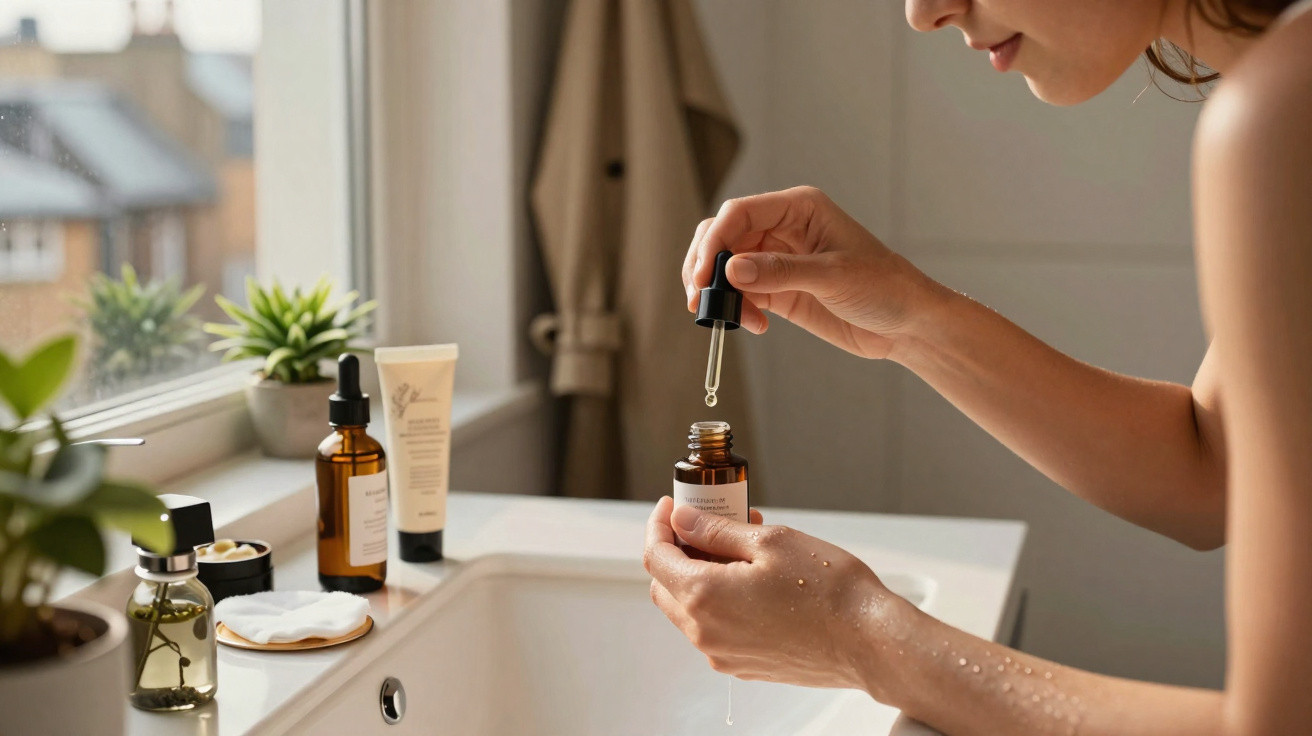
Whether you’re browsing the high street or indie online stores, the UK market is overflowing with options. The most reliable strategy is to prioritise evidence and packaging, not hype. Retinol is happiest in opaque, airless pumps; L-ascorbic acid prefers dark, protective bottles.
Check the INCI list for clear naming: “retinol,” “retinal,” or “retinyl” for vitamin A, and “ascorbic acid,” “ascorbyl glucoside,” or “tetrahexyldecyl ascorbate” for vitamin C. When a brand won’t state concentrations, formulas backed by testing or clear clinical context are generally a safer bet than vague “boost” messaging.
What to prioritise:
- SPF compatibility: vitamin C under sunscreen is a power couple.
- Texture: the best serum is the one you’ll use consistently.
- Support crew: niacinamide, glycerin and ceramides help keep the barrier steady.
Price vs. value in brief:
- It can be worth paying for stabilised vitamin C with genuinely airtight packaging.
- With retinol, proven strengths often matter more than luxury fragrance.
- Fragrance-free choices can help reduce flare-ups during colder months.
If you’ve been unsure where to start, set up a simple three-month trial and take a photo each month-evidence beats instinct. For acne, stronger retinoids such as tretinoin require a prescription, so discuss it with a GP or dermatologist. Otherwise, commit to what you can maintain: “Great skin is a habit, not a haul”.




Comments
No comments yet. Be the first to comment!
Leave a Comment