
That can be changed.
Brow trends come and go, but the desire for a natural, full shape doesn’t disappear. If you’ve over-tweezed your eyebrows for years, or you naturally have sparse hairs, it’s easy to feel like your face looks “bare”. The good news is that a few targeted habits can make your brow area look denser over time - without microblading or a salon appointment.
Why your eyebrows suddenly look so thin
A few years ago, bushy, heavily brushed brows took over every social media feed. Now ultra-thin lines and bleached arches are having a comeback - influencers are showing off eyebrows that are almost invisible. If you joined in, you may be noticing something now: the hairs don’t return anywhere near as quickly as they seemed to disappear.
On top of that, there are other reasons brows can start to look sparse:
- Years of very precise tweezing in the same spots
- Bleaching and harsh hair-removal methods
- Skin conditions or hormonal fluctuations
- Friction from removing make-up or rubbing hard with towels
“Eyebrows are more than a trend detail - they frame the face, add expression, and can make your eyes look more awake or more severe.”
If you’re craving a softer, fuller brow line again, you don’t need an elaborate beauty routine. Four straightforward steps, done consistently, usually deliver far more than relying on the next expensive miracle serum alone.
Start with shape: what density suits you?
Before you focus on growth and care, it helps to take an honest look in the mirror: which shape truly suits your face, and how full do you actually want your eyebrows to be? Not every trend brow works with every face shape.
These rough rules can help you get your bearings:
- Round face: slightly more defined, gently higher arches can create a lengthening effect.
- Square face: softer, less angular arches can take harshness out of the contours.
- Very narrow faces: straighter brows with a bit more density can look more balanced.
If you’re only just coming out of an extreme-trend phase, it’s worth being extra careful right now. It’s better to test a fuller line with make-up first than to reach for the tweezers again and reduce your chances of regrowth.
1. A tweezing break: why your tweezers need time off
The most important step towards fuller-looking brows is also the hardest: a genuine tweezing break. That means several weeks of refusing to “just tidy” them every day.
The reason is simple: each hair follicle needs time to recover. If you repeatedly remove individual hairs, you gradually weaken the root - and in the worst case, that area may barely grow back.
To get through the break without feeling “unkempt”, try this:
- Only remove hairs that are clearly far outside your natural brow line.
- Put the magnifying mirror away - it makes you over-correct.
- Use brow gel and concealer instead to temporarily disguise stubborn hairs.
“A four- to eight-week tweezing break often works like a reset for your brows - many people see, for the first time in ages, what their natural line really looks like.”
2. Daily brushing: a mini massage for brows that look denser
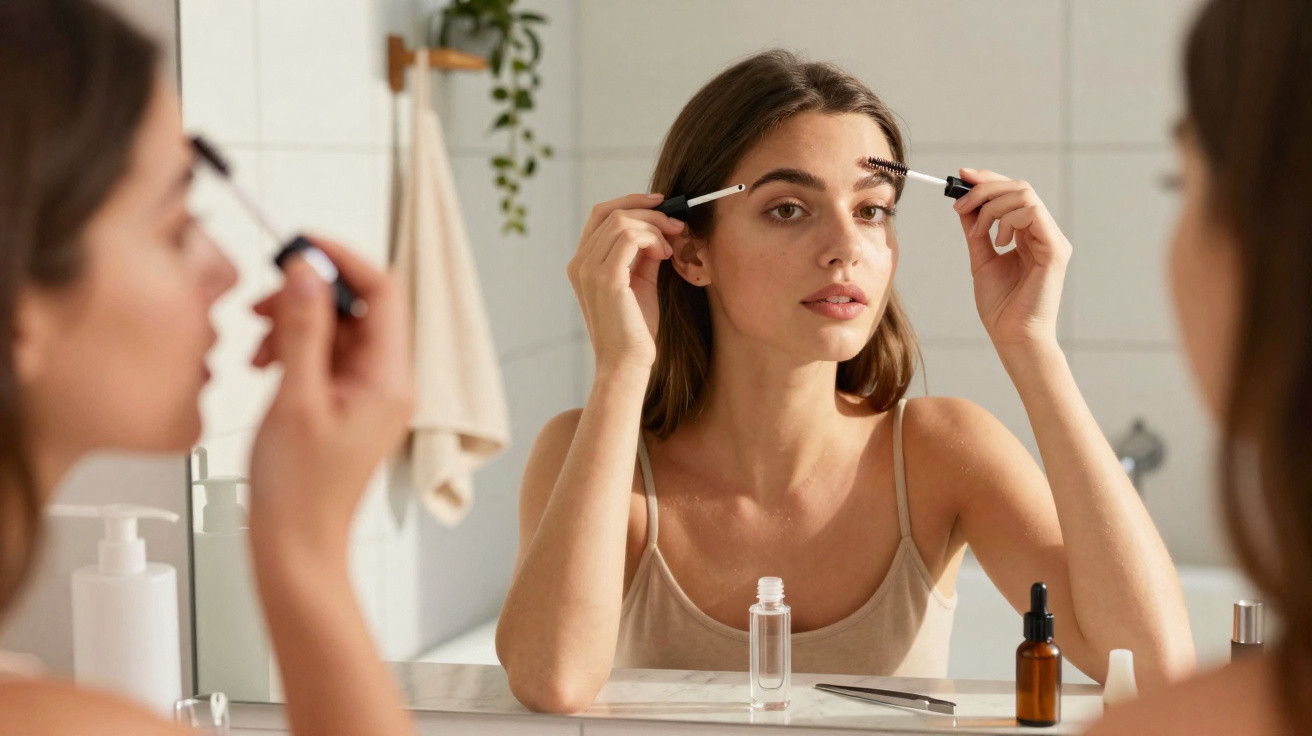
It sounds basic, but it creates an immediate illusion of fullness: brushing your eyebrows. A simple, clean spoolie (a small spiral brush like a mascara wand) is all you need.
How to brush properly
Once a day - ideally in the evening before skincare, or in the morning before applying make-up:
- With gentle pressure, brush the hairs from underneath upwards first.
- Then comb them outwards in the direction they grow.
- If you prefer a bushier look, lightly lift them upwards again at the end.
The benefit is twofold. First, brows look fuller straight away because the hairs sit with more structure and show more surface area. Second, the micro-massage can stimulate blood flow in the skin, helping the hair roots receive nutrients more effectively.
One key point: don’t brush aggressively. Constant tugging and pulling can cause fine hairs to snap or shed prematurely.
3. Care boost: what serums and oils really do
Plenty of brands now sell dedicated brow serums. Most rely on peptides or conditioning ingredients designed to strengthen the hair. At the same time, many users swear by classic natural oils - especially castor oil.
Which products are worth considering
- Peptide serums: may support the hair root and encourage stronger hairs.
- Nourishing brow gels: combine daytime styling with care.
- Castor oil or other plant oils: coat the hair like a protective film and help prevent dryness.
To get the best out of any care product:
- Cleanse thoroughly in the evening and remove all make-up.
- Let the brows dry completely.
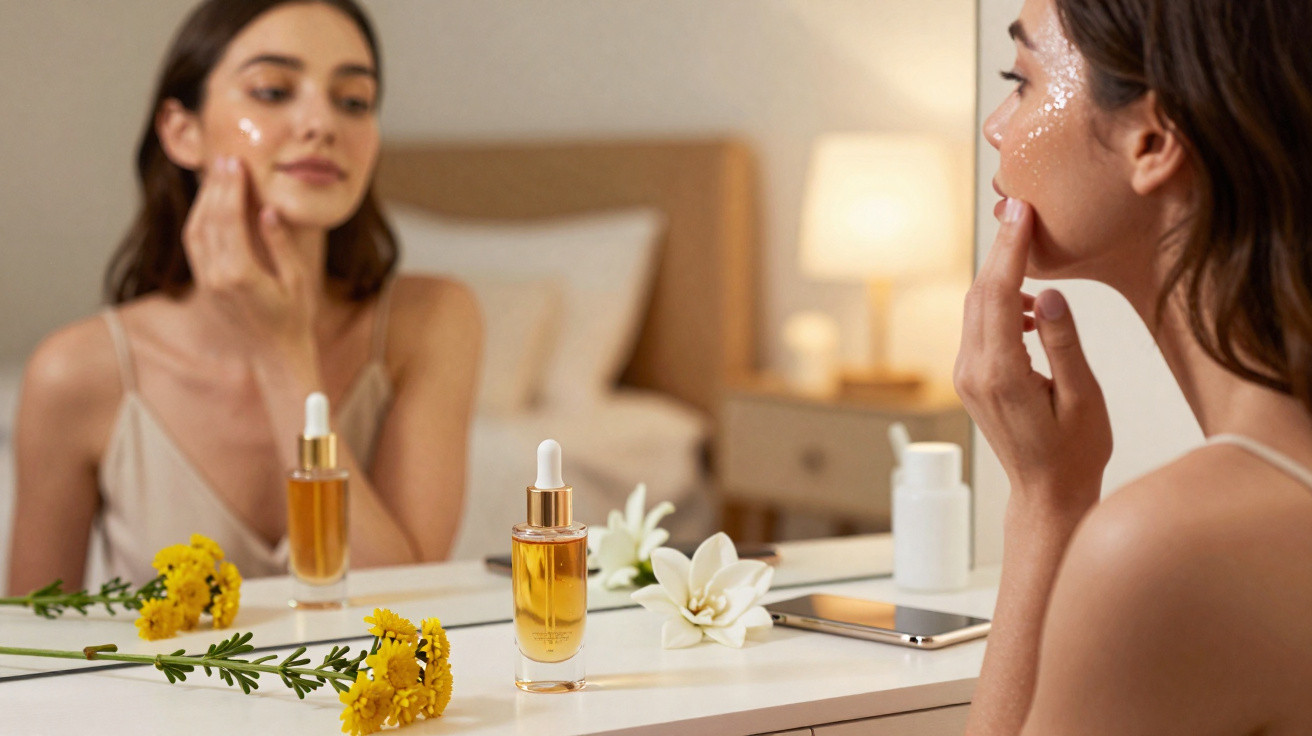
- Apply serum or oil precisely along the brow line using a fine brush.
- Gently massage in with your fingertips, without rubbing.
“First changes usually show after four to six weeks, with more noticeable results after two to three months of consistent use.”
So don’t expect overnight miracles. If you get impatient, it’s easy to be tempted by drastic options like permanent make-up - and later regret it if your preferences change.
4. Make-up trick: hair-by-hair results instead of drawn-on blocks
While your brows (and skin) recover, clever make-up can make a big difference. The most natural-looking method is the so-called hair-by-hair effect: rather than colouring in the entire shape, you add fine strokes between real hairs.
How to create convincingly fuller brows with make-up
- Use a very slim brow pencil or a fine felt-tip liner.
- Choose a shade that’s no more than one tone darker than your natural brows.
- Draw short, slightly curved strokes in the same direction as your existing hairs.
- Fill gaps at the front very sparingly - heavy outlines can look harsh quickly.
- Finish with a lightly tinted brow gel to lift and set the hairs.
This approach also lets you try a trend look safely. If you’re curious about extremely thin or slightly “bleached” brows, you can recreate the effect using concealer and brow products - without removing or bleaching real hairs.
How long do eyebrows take to grow - and when should you worry?
Like scalp hair, eyebrows follow a growth cycle. On average, they only grow a few millimetres per month. That’s why it often takes months before you notice a genuine change.
If you’ve tweezed extremely for many years, some areas may stay permanently thin. Some follicles eventually stop producing hair altogether. In those cases, make-up is often the most realistic solution, and sometimes professional treatments with a dermatologist or at reputable studios may help.
Watch out for warning signs such as sudden significant thinning, itching, flaking, or redness in the brow area. If that happens, your GP or a dermatologist should check whether there’s an underlying condition.
Practical examples: what a realistic plan could look like
If you want to begin now, set yourself a simple routine for the coming weeks:
- Week 1–2: start the tweezing break; only remove obvious strays far outside the line; introduce brushing and evening care.
- Week 3–4: refine your make-up technique and practise the hair-by-hair look; take photos to spot progress.
- Week 5–8: slowly align the shape with a brow expert, without slipping back into old tweezing habits.
If you stick to these steps, you’ll usually see a visible shift in your brow line - not instantly, but noticeably more natural and fuller than before.
In the end, one thing matters most: there is no such thing as the “perfect” eyebrow. What counts is that you feel comfortable with what you see in the mirror. A genuine tweezing break, daily brushing, targeted care and a bit of make-up skill can get many people very close to that - without any drastic interventions.


Comments
No comments yet. Be the first to comment!
Leave a Comment