
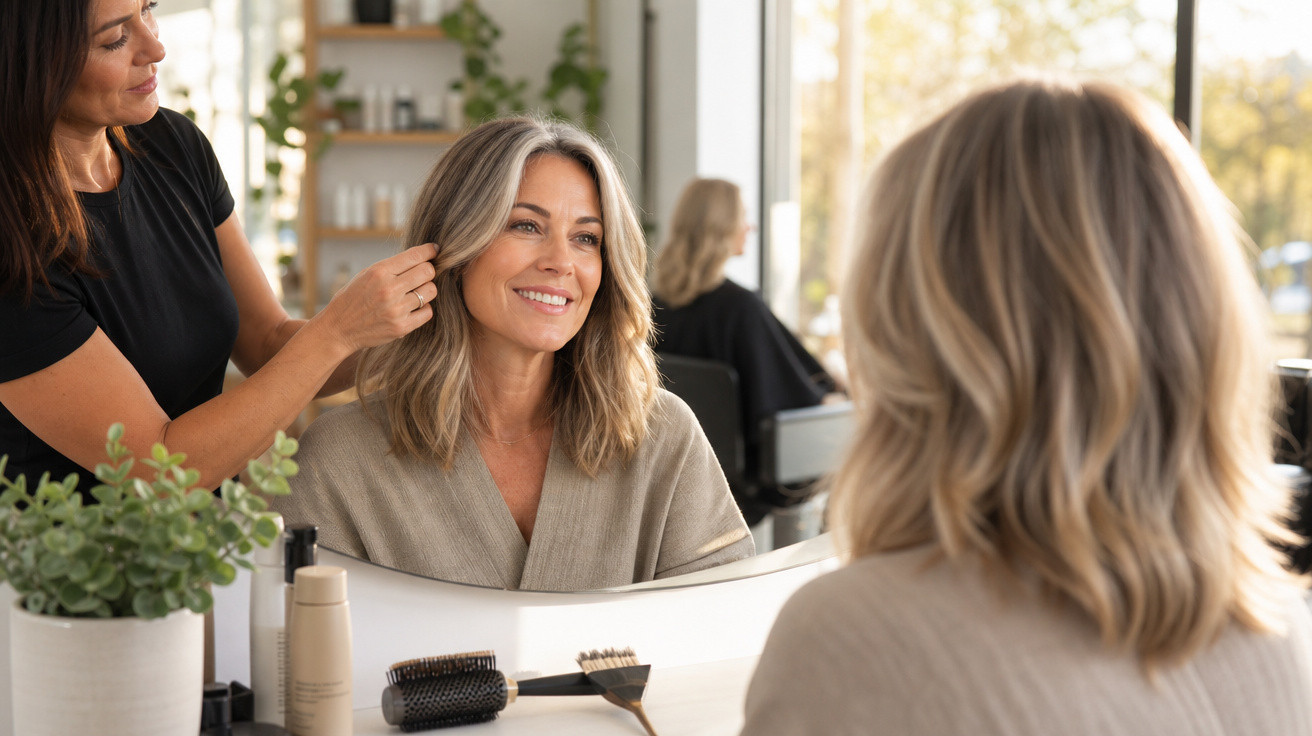
Traditional hair dyeing - with its monthly upkeep and that strong ammonia smell filling the bathroom - is gradually being replaced by a more modern, less harsh technique. Hairdressers at well-known salons in São Paulo, Rio and Belo Horizonte have been recommending an alternative that disguises grey hairs without harming the health of the strands, while also giving the face a more youthful appearance. This new approach promises to transform the routine of anyone who is tired of heavy chemical treatments.
What is this technique that is replacing traditional colouring?
The trend is called highlight blending, also known as dimensional lightening or grey camouflage. Rather than covering the entire length with one flat, solid colour, the stylist places strategic highlights in shades close to the natural base, blending the white hairs into the rest of the hair without having to dye everything fully.
The result is hair with movement, depth and a soft transition from roots to ends. The lighter strands merge with the existing greys, creating the impression of natural brightness without that obvious line that reveals root regrowth just a few weeks after conventional colouring.
- Babylights: ultra-fine highlights that mimic the sun-kissed effect seen in children’s hair, creating extremely natural and subtle brightness around the face
- Traditional balayage: a freehand sweeping application that creates a natural gradient from dark to light without harsh lines
- Foilyage: a mix of balayage and foil application for stronger lightening, ideal for those with a high percentage of grey hair who want more noticeable coverage
- Colour melting: a blending technique between roots, mid-lengths and ends that completely softens abrupt transitions between different sections of the hair
- Lowlights: darker strands added strategically to restore depth and volume to hair with greys that look too uniform or flat
Why does this approach create a more youthful effect than standard dye?
Flat, very dark shades often harden facial features and draw attention to expression lines around the eyes and mouth. Multidimensional tones act like a light-reflecting effect around the face, softening contours and bringing a lighter look to mature skin. The difference is not only in the hair itself, but in the way it frames and enhances the person’s expression - and that is exactly what makes the result look younger than full coverage with a single colour.
The technique also removes the stark contrast that appears when the roots begin to grow after traditional colouring. With highlight blending, natural regrowth blends into the intentional darker-root effect, allowing the hair to remain polished for much longer between salon visits.
Who can try it and which profiles respond best
The technique works well for a range of profiles, although some cases respond better than others. Looking at the percentage of grey hair and the natural base shade helps determine whether it is worth moving from traditional colouring to a dimensional approach before booking the service.
Perfis que respondem melhor ao blending de mechas
Five characteristics that suggest good results with the technique
People with up to 60% grey hair usually see the best results, as there is still enough pigmented hair to create a natural blend. Brown, blonde and natural red bases tend to accept tonal fusion well, creating dimension without looking artificial. Straight, wavy and curly hair all respond equally well to the technique - texture is not a limiting factor here.
Previously dyed hair may require a planned transition over several months before fully moving to blending, especially if the current base is very dark or quite different from the natural colour. Sensitive scalps benefit in particular because there is no direct contact with chemicals on the scalp, as most highlighting techniques do not require application at the roots. Speaking with a professional before choosing the technique is essential to align expectations with the actual condition of the hair.
For those whose hair is already completely white and who simply want to soften the overall appearance, lowlights are the most suitable option: they add depth and dimension without the need to cover the entire length with chemicals. The final effect is hair that looks lively and full of movement, even for those who have chosen to embrace their greys as part of their permanent style.
How long does the effect last before the next salon visit?
One of the main advantages of this method is the longer gap between maintenance appointments. While traditional colouring requires root touch-ups every three to four weeks, dimensional highlights allow three to four months between one application and the next, since natural regrowth blends into the intentional darker-root effect.
This saving in time and money makes a difference both financially and in a busy schedule. The initial investment is usually higher than standard colouring, but the yearly cost tends to balance out or even be lower, considering the reduced number of salon visits over the year. For anyone who used to touch up roots monthly, the difference in frequency represents a real and meaningful saving.
How to make the results last longer at home
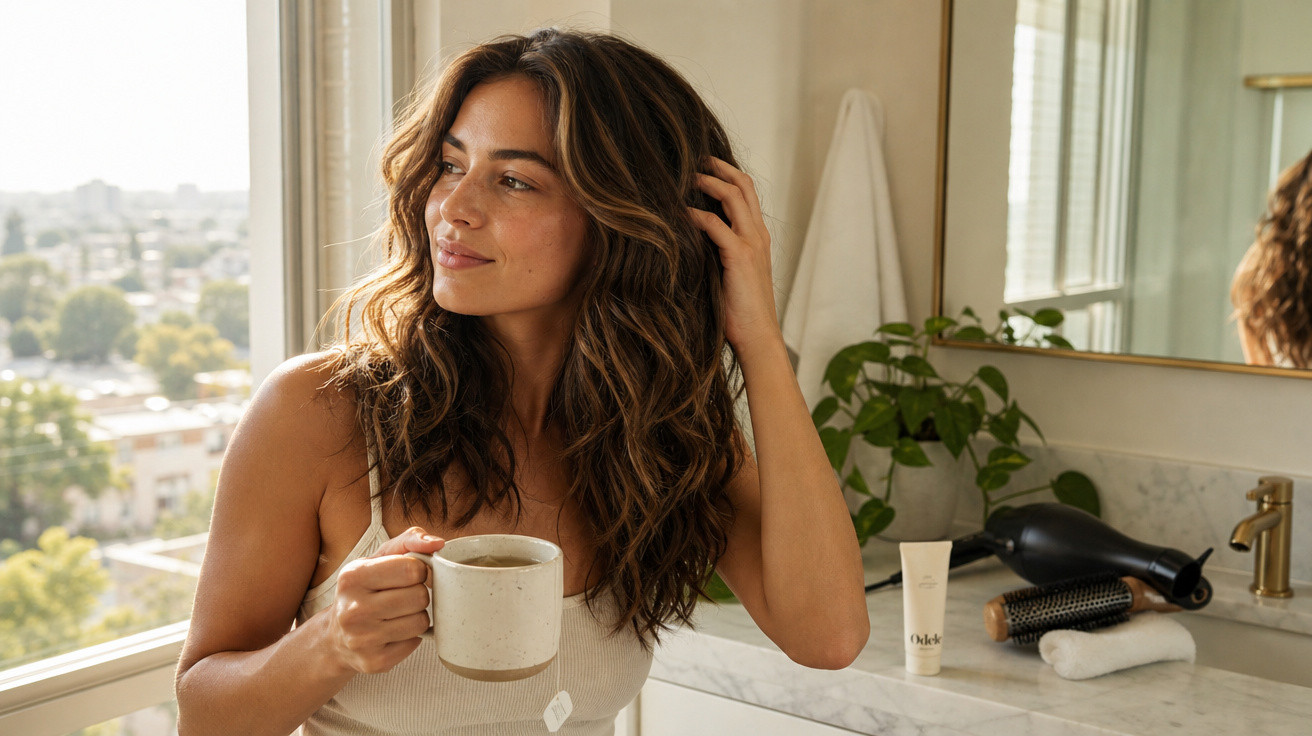
How long the treatment lasts depends directly on aftercare. Professionals recommend using a toning shampoo once a week to neutralise the yellowing that grey strands tend to develop over time, as well as weekly nourishing masks with plant oils to maintain shine and softness in the highlighted lengths.
Heat protectant before using a hairdryer or straighteners helps preserve the cuticles of hair that has been lightened and prevents the gradual dryness that can spoil the look between salon visits. Sulphate-free shampoos also help prolong the tone of the highlights, which tend to fade more quickly in hair made more porous by the lightening process.
What changes in your relationship with your hair after making the switch
Letting go of full coverage changes the relationship with both the hair and the mirror. The strands regain natural movement, the texture comes back to life, and healthy shine appears without the weight of built-up chemicals through the lengths. Many people report less breakage, fewer split ends and a healthier scalp after months without ammonia being applied throughout the entire hair.
The message from professionals is clear: accepting the first signs of ageing intelligently creates a more authentic and elegant look than trying to hide them with artificial colours that clash with your age. Illuminated highlights offer the perfect middle ground for anyone who wants to disguise grey hairs, enhance the face and still keep the hair strong, shiny and full of natural movement. Share this with someone who is thinking about saying goodbye to monthly dyeing but still does not know which route to take.


Comments
No comments yet. Be the first to comment!
Leave a Comment