

With a few targeted tweaks, you can get things back on track.
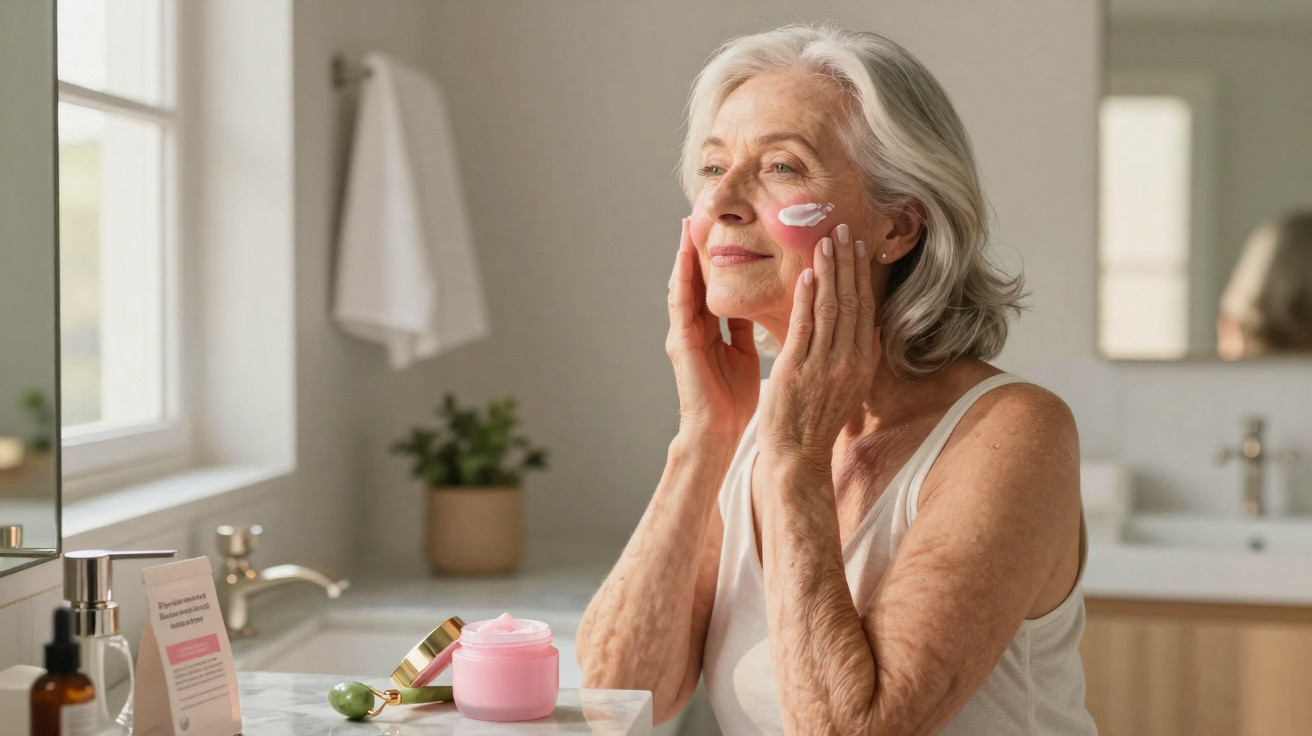
A lot of people notice it the moment they look in the mirror: once winter is over, skin can look tired, feel dry and sometimes appear slightly dull. Make-up doesn’t sit as well, and fine lines can look more pronounced. Skincare professionals often talk about “transition care” at this point - a routine designed to wake skin up from its winter lull and gently prepare it for stronger sunshine and warmer days.
Why skin plays up after winter
Through winter, skin is under constant pressure. Outside it’s cold; inside, central heating dries the air - and the repeated switch between the two can weaken the skin’s protective barrier. The oil-and-moisture film becomes thinner, water is lost more quickly, and dead skin cells build up on the surface.
“After the cold season, skin is often dehydrated, a little flaky and dull - it needs support now, but in small, smart steps.”
The encouraging part: there’s no need to overhaul your entire routine. A handful of adjustments are often enough to smooth the surface, improve hydration and bring back a healthier glow.
Gentle exfoliation: a reset for tired winter skin
If you want fresher-looking spring skin, start by shifting the old, dry flakes. This isn’t about harsh scrubbing - it’s about targeted, mild exfoliation.
Enzymes and acids instead of scrubbing
Many dermatologists now favour enzyme exfoliants or products with gentle acids:
- Enzyme exfoliants break down dead skin cells using enzymes (often derived from fruit). No rubbing, no scrubbing.
- AHA acids (alpha hydroxy acids, e.g. glycolic acid, lactic acid) help smooth the skin’s surface and boost radiance.
- PHA acids (poly hydroxy acids) work in a similar way, but are considered particularly mild and are often a good match for sensitive skin.
Used consistently - but carefully - gentle exfoliation can:
- make skin texture look more even,
- reduce the build-up of flaky patches,
- help skincare ingredients absorb more effectively,
- encourage cell turnover, which naturally slows with age.
If you’re starting from scratch, it’s usually best to begin with one to two exfoliation sessions per week and watch how your skin responds. Redness or stinging is a warning sign - in that case, the step is too much, too soon.
Moisture is non-negotiable after months of heating
After months of dry indoor air, skin is often simply dehydrated. It can feel tight, look thinner, and fine dehydration lines may show up more clearly. This is the part that truly becomes essential: replenishing moisture and keeping it in.
Ingredients thirsty skin tends to love
Checking the ingredients list is worth it. These are especially helpful:
| Ingredient | What it’s good for |
|---|---|
| Colloidal hyaluron / hyaluronic acid | Holds water in the upper layers of skin and can subtly plump the look of fine lines. |
| Ceramides | Support the skin barrier, lock in moisture and calm irritated skin. |
| Squalane | A lightweight oil that integrates well with the skin’s own lipids, easing tightness without feeling heavy. |
| Beta-glucan | May reduce redness, helps retain moisture and supports the barrier. |
As temperatures rise, many people stop getting on with rich winter creams. Skin may become shiny more quickly or feel “too plastered on”. A useful switch looks like this:
- lighter fluids or gel-creams during the day,
- plus a hydrating serum underneath,
- slightly richer textures in the evening if skin still feels very tight.
“In spring, skincare can be lighter - what matters isn’t how oily it is, but how well moisture is kept in the skin.”
Retinol and vitamin C: powerful ingredients with ground rules
At the start of the warmer months, many people also want to work on glow and anti-ageing. Two ingredients come up again and again: vitamin C and retinol. Both can deliver results, but both need a sensible plan.
Vitamin C for a brighter look
Vitamin C can help even out the look of skin tone. Over time, darker marks may appear less noticeable and the complexion can look fresher overall. Used as a serum under daytime moisturiser, it fits neatly into a spring routine.
Especially after winter, when skin can look dull, vitamin C often creates a visible “wake-up effect” - provided you use it consistently.
Retinol: effective, but not for rushed routines
In aesthetic dermatology, retinol is considered one of the best-studied ingredients. It’s a form of vitamin A and works on several fronts:
- speeds up cell turnover,
- stimulates collagen and elastin production,
- can soften the look of fine lines,
- makes enlarged pores look more refined,
- can reduce pigment marks and sun-related damage.
“Retinol can improve the look of lines, pores and marks - if you introduce it slowly and pair it consistently with sun protection.”
To keep skin from reacting badly, retinol needs clear rules:
- Use it at night only - retinol increases light sensitivity.
- Start slowly - for example, twice a week and build up gradually.
- Always moisturise afterwards - a calming moisturiser can ease tightness.
- High UV protection during the day - otherwise you risk new marks rather than better-looking skin.
Sun protection: the quiet anti-ageing hero
As soon as the first warm days arrive, spirits lift - and UV exposure rises. If you’re using exfoliating acids or retinol, skin is more reactive to sunlight.
Why SPF 50 is no longer a summer-only extra
Dermatologists are increasingly clear: in day-to-day life, a broad-spectrum sun protection product with a high SPF belongs in your basic routine - not only on holiday in high summer. Ideally:
- apply a product with SPF 50 to the face every day,
- use enough - around two finger lengths for face and neck,
- reapply if you’re outdoors for long periods.
“Without consistent sun protection, expensive serums and creams don’t stand a chance - UV radiation is one of the biggest drivers of premature skin ageing.”
If you’re prone to blemishes, it’s usually best to choose lightweight, non-comedogenic sun fluids. Those with dry, winter-stressed skin often do better with creamier textures that also add care.
A simple spring skincare routine can look like this
If you don’t want to line up ten products in the bathroom, you can start with a manageable plan. One workable framework:
Morning
- gentle cleanse (gel or cleansing milk, depending on skin type),
- hydrating serum with hyaluronic acid or beta-glucan,
- lightweight day moisturiser with ceramides or squalane,
- sun protection with SPF 50.
Evening
- thorough but gentle cleanse,
- on two evenings per week, a chemical exfoliant (AHA or PHA),
- on one to two other evenings, retinol (increase slowly),
- a nourishing night cream that supports the barrier.
Between the “active evenings” with acids or retinol, build in rest days with hydration and barrier-focused care only, so the skin can recover.
How to tell your skin is responding well
Skin doesn’t transform overnight. The first positive signs usually appear after a few weeks:
- the complexion looks less dull,
- make-up no longer settles as much into dehydration lines,
- skin feels smoother and more elastic,
- redness after showering settles more quickly.
If you get heavy flaking, burning or persistent redness, the routine is too intense. In that case, reduce how often you exfoliate and use retinol, or switch entirely to soothing care for a few days.
Extra pointers: from humidity to lifestyle
Beyond creams and serums, your environment also matters. If you’re still spending lots of time in strongly heated rooms in spring, a humidifier can improve conditions for your skin. Drinking enough fluids and eating a varied diet with fruit, vegetables and healthy fats can also support skin from within.
Terms like “skin barrier” and “cell turnover” may sound technical, but they describe something very everyday: the outermost layer of skin should stay sealed yet flexible. Anything that dries it out or repeatedly irritates it weakens that layer. The steadier it is, the better skin tolerates ingredients like retinol and fruit acids - and the more likely you are to see that springtime glow.




Comments
No comments yet. Be the first to comment!
Leave a Comment