
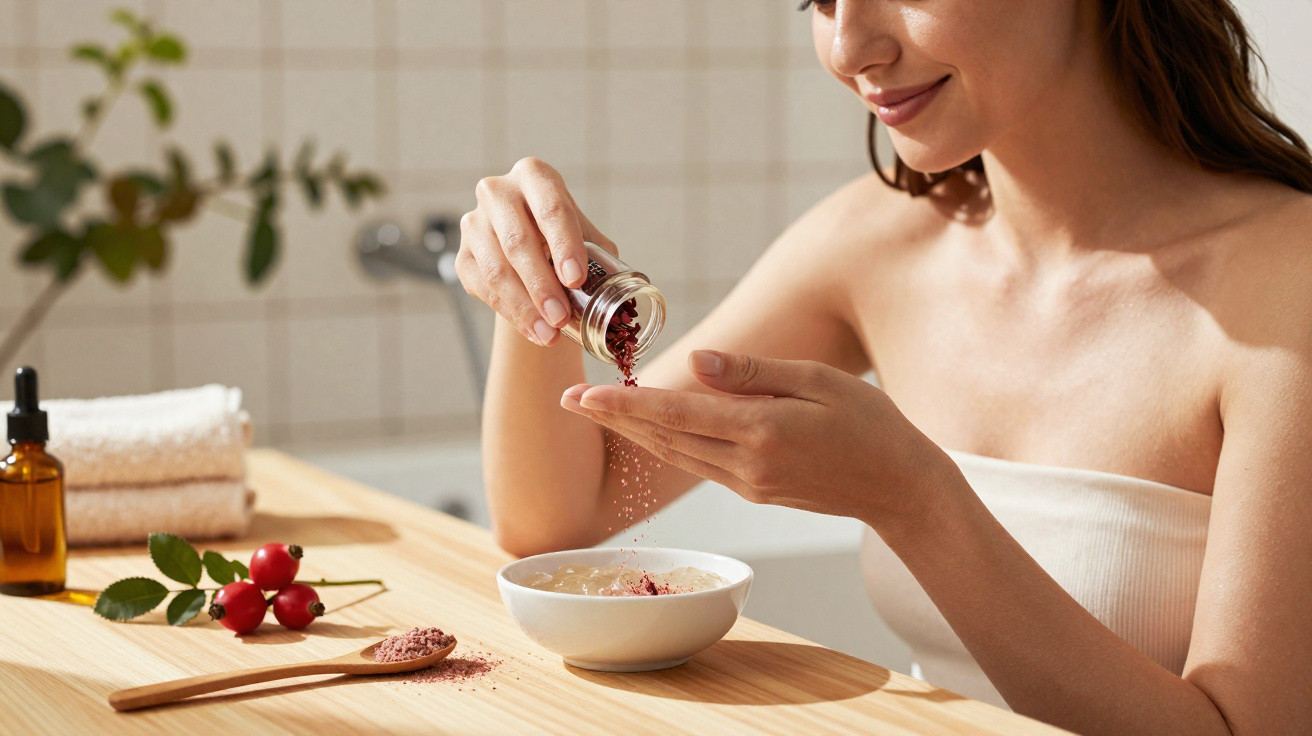
A plant-based organic exfoliant made from rosehip seed powder is currently generating plenty of chatter on beauty forums and around Aroma-Zone. Users say their skin feels smoother, pores look less obvious and their complexion appears noticeably more radiant - using a single, pure ingredient they can mix at home as needed.
Why skin looks dull - and what exfoliating actually does
In winter, or during stressful periods, skin can quickly look grey and tired. The reason is usually straightforward: dead skin cells, sebum and everyday grime build up on the surface. Light reflects less evenly, pores can look congested, and small blemishes tend to stand out more.
Regular, gentle removal of dead cells can bring more luminosity to your complexion - completely “filter-free”.
That’s exactly what exfoliation targets. It helps lift away the top layer of dead cells and supports the natural renewal process. Mechanical exfoliants - products that contain fine grains - act a bit like micro-sandpaper, smoothing rough patches. The trick is getting enough exfoliation to make a difference, while still being gentle enough not to upset the skin barrier.
The hype product: Aroma-Zone plant exfoliant made from rosehip seeds
The product at the centre of the buzz is an organic, plant-based exfoliant made from ground rosehip seeds, sold by Aroma-Zone as a pure powder. It isn’t a ready-to-use scrub with fragrance, emulsifiers or preservatives; it’s a “raw ingredient” you can mix with other basics however you like.
The grains are said to do two jobs at once:
- Mechanical exfoliation: Finely milled particles lift away flaky dead skin and help clear blocked pores.
- Toning effect: Rosehip is well known for its invigorating properties, which can make the complexion look fresher.
For many, that combination is the appeal: it’s meant to smooth the skin and make it look more radiant - without a long INCI list.
How to create a personalised exfoliant: mix instead of buying ready-made
What makes this powder so appealing is total control. How strong should the scrub feel? More creamy or more gel-like? For face or body? It all depends on what you mix it with - and how much you use.
Simple face recipes
For facial use, users recommend a very small amount and a gentle base. Common combinations include:
- With cleansing gel: Add a pinch of powder into your face cleanser in your palm, massage briefly over the face, then rinse.
- With facial oil: Mix a few drops of jojoba or almond oil with a little powder in your hand, massage onto slightly damp skin, then remove using lukewarm water and a flannel.
- With aloe vera gel: If you prefer a fresh, cooling texture, stir the powder into aloe gel - a popular choice for combination skin and sun-stressed skin.
The benefit of this DIY approach is that you can increase intensity gradually until you find your own “sweet spot” - from barely noticeable to a clearly more scrubby feel.
A stronger exfoliant for the body
Body skin generally tolerates more friction than facial skin, so the powder is typically used more generously here. Popular options include:
- With a neutral shower gel: Mix in your hand with shower gel and use like your normal body wash.
- With coconut or plant oil: Oil plus powder creates a rich scrub that also conditions the skin - ideal for dry legs and arms.
- As a bath/shower scrub: Combine with magnesium sulphate (Epsom salt) and essential oils to create a more “spa-like” ritual in the shower.
If you enjoy a bit of experimenting, some go further and make exfoliating soap bars by stirring the powder into “Melt and Pour” soap bases.
How satisfied are users really? A look at the reviews
On the French platform Beauté Test, the rosehip exfoliant averages 4 out of 5 stars from almost a hundred reviews. Overall, the comments point to a visible before-and-after effect for many people.
Many describe a “baby-skin feel”, refined-looking pores and a noticeably fresher complexion - often after just a few uses per week.
Typical feedback mentions:
- skin feeling noticeably softer after cleansing
- pores appearing tighter, especially around the nose and chin
- blackheads and small blemishes being easier to dislodge
- the complexion looking more even and a little more “awake”
One recurring point is how long-lasting it is: many say they’ve used the powder for months or even years and emphasise how little you need each time, so the pack seems to last and last.
Strengths and weaknesses: where the powder shines - and where it irritates
Despite the hype, reviewers don’t hold back. Most praise focuses on three areas:
| Advantage | What users value about it |
|---|---|
| Pure formula | A single plant ingredient, no fragrance, no preservatives. |
| Flexible use | Can be combined with cleansers, oils and lotions - suitable for face and body. |
| Value for money | Much cheaper than luxury exfoliants, yet extremely economical. |
At the same time, a few criticisms keep coming up:
- Packaging: Many find sachets or screw-top pots fiddly, as you often need a small spatula or spoon and it’s easy to spill.
- Ease of use: A ready-made scrub in a tube is simpler; mixing takes time and you need a bit of routine.
- Dosage: The grains are fine, but at high concentration they can feel too abrasive - especially on thin, sensitive skin.
The consistent thread through the reviews: it can do a lot, but it requires a delicate touch - quite literally.
Risks and limits: who is this exfoliant actually for?
As tempting as the glow factor sounds, mechanical exfoliation isn’t suitable for everyone. With very sensitive skin, skin prone to rosacea, or inflamed acne, dermatologists often advise caution because rubbing can worsen redness and encourage micro-tears.
If you want to try the powder, start with a tiny amount and exfoliate only once a week at first. Redness, stinging or tight, uncomfortable skin are warning signs. In that case, reduce how often you use it, dilute the grains even more - or switch entirely to gentler options, such as enzyme exfoliants.
More radiance: what else affects the complexion beyond exfoliation
The powder can help, but it won’t undo constant stress and a junk-food diet. The French original page highlights several factors that can effectively “put the brakes on” a healthy-looking complexion:
- Stress: Ongoing strain raises cortisol, slows cell renewal and can make skin look grey and tired.
- Not enough fluids: Dehydrated skin becomes uneven; dead flakes build up faster and light reflects less well.
- Diet: High-sugar, high-fat foods can promote inflammation, while vegetables, fruit and omega-3 fatty acids can improve the look of skin.
- Blue light from screens: Early studies suggest oxidative stress in skin cells - similar in principle to UV exposure.
- Dry central heating: Low indoor humidity steadily draws water from the skin, leaving it rough, flaky and dull.
To get lasting results, many people combine a consistent skincare routine with enough water, nutrient-rich food and some stress management - sometimes as simple as a regular walk without your phone.
Practical tips for everyday DIY exfoliation
A few basic habits can help you get the best out of the rosehip powder:
- exfoliate only on clean, slightly damp skin
- use very light pressure, especially on the face
- avoid the eye area and any broken or irritated patches
- always apply a hydrating moisturiser afterwards
- don’t use it more than once or twice a week
For many, it’s precisely this pairing of gentle exfoliation and consistent hydration that feels like a reset for their complexion. If you like the idea of a little “beauty lab” moment in the bathroom, the Aroma-Zone exfoliant offers a budget-friendly way in - with the potential for visibly more radiance, smoother texture and a greater sense of control over your routine.

Comments
No comments yet. Be the first to comment!
Leave a Comment