
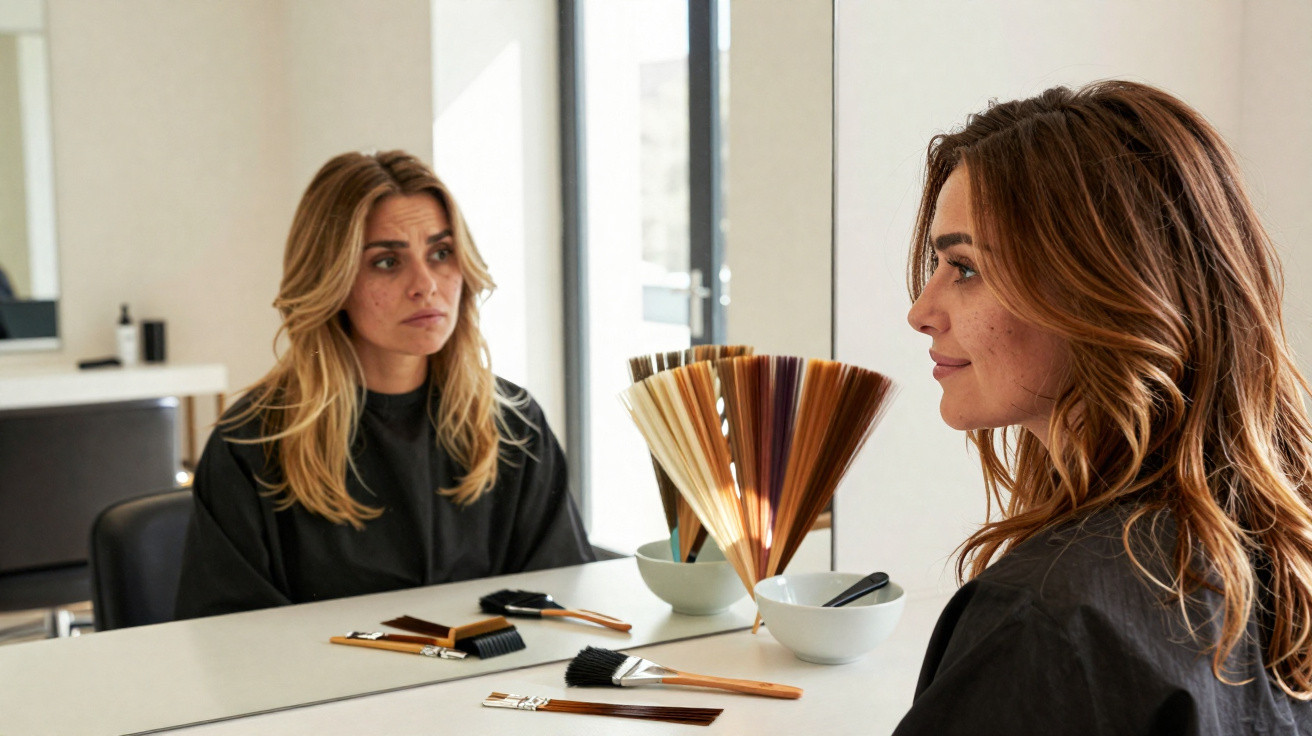
The first mild days, more daylight, fewer jumpers – and suddenly you feel like starting again, including with your hair. On Instagram, models and influencers compete with one another in icy blonde shades. Yet what looks flawless on a screen can, in real life, become a mood and complexion killer for darker types. For many brunettes, the ultra-trendy extreme blonde is actually the number one colour mistake made in the salon.
Why radical ice blonde quickly becomes a let-down for brunettes
After a long winter with darker hair, the idea is tempting: wipe the slate clean and restart with a platinum-light shade. The appeal is obvious – more brightness around the face, a fresher and more modern feel, maybe even a touch of “celebrity vibe”.
That’s precisely where the trouble starts. The effect on glossy photos relies on studio lighting, make-up and filters. In everyday life, an ultra-light blonde often collides head-on with a naturally dark base – and instead of looking luminous, the result can read as severe.
"The most important point: Too harsh a contrast between a natural brunette and an extremely light blonde can make the face look visually harder and leave it looking pale."
If you take your cues only from before-and-after shots on social media, you miss all the elements doing the heavy lifting there: beauty filters, retouched skin, perfectly styled brows and softened contours. In normal daylight, the very same shade can look entirely different – and often far less forgiving.
Harsh contrast: when eyebrows and hair colour clash
A key issue in many brunette-to-platinum makeovers is contrast. Dark eyebrows usually stay dark. When the hair turns almost white-blonde, it can create a kind of “foreign body” effect in the face.
Your gaze goes straight to the brows, which suddenly look much more dominant by comparison. That can lead to:
- A facial expression that seems permanently stern or surprised.
- Harsher-looking expressions, even when you’re relaxed.
- Facial proportions that appear visually out of balance.
There’s also the very light “frame” around the face: a very pale blonde acts like a spotlight right next to the skin. While warm browns or gentle highlights soften features, extremely light tones can trace every line more sharply.
This is especially noticeable with more angular face shapes, where cheekbones, jawline and forehead can appear more pronounced. Anyone hoping their new colour will create softness and ease can end up with the exact opposite.
When hair colour makes your complexion look dull
Another common pitfall is colour temperature. Many of the most fashionable blonde shades are intensely cool – ashy, pearly, almost silvery. Only a small number of skin types truly suit them. Many brunette types have warmer undertones: golden, beige or olive.
"When cool blonde pigments meet warm, lightly tanned or olive skin, the hair colour can quickly ‘drain’ the face of its natural warmth."
In day-to-day life, that can mean:
- The complexion takes on a grey or slightly green cast, depending on the light.
- You look more tired than you actually feel.
- Colleagues start asking whether you’re unwell or stressed.
Artificial lighting at the office or on the train can intensify the effect. So the idea that “lighter hair = a fresher complexion” often falls apart when the cool blonde isn’t a match.
The flash-ageing effect: when blonde emphasises fine lines
The goal is usually to look younger, fresher and softer. The reality for many extreme blonde transformations is the so-called “coup-de-vieux” effect – an obvious ageing boost caused by colour alone.
With very light hair, the eye is drawn mercilessly to shadows and texture in the face:
- Dark circles can look deeper and more defined.
- Fine dehydration lines around the eyes and mouth show up more clearly.
- Redness, pigmentation marks or blemishes become more noticeable.
When there are no warm reflections around the face, you lose the natural “soft-focus” effect. Warm tones can make skin look a little fuller and more lively. Very pale, cool shades sharpen contours; the face may seem tougher and more “drawn”.
The underestimated strain: what bleaching does to the hair
To lift dark hair up to a very light level, strong chemical processing is required. In practice, that means opening the cuticle layer, pulling out pigments, and often doing so in multiple rounds.
"The darker the starting colour, the more intense the lightening usually has to be – and the higher the risk of brittle, dull lengths."
Typical consequences of a radical lift on brunette hair include:
- Loss of shine, leaving hair looking flat.
- Dryness and a “straw-like” feel at the ends.
- More split ends and breakage, especially on fine hair.
On top of that comes the maintenance: specialist shampoos, masks, leave-ins, plus regular salon visits for refreshes. If you’re not prepared to invest time and money, the payoff can quickly be a rough, fragile mane.
Regrowth roots: the maintenance marathon for brunettes
Another detail many people only fully register after the salon is regrowth. With naturally dark hair, roots show very quickly – sometimes within days. After two weeks at the latest, the style can start to look “unkempt” because the contrast between platinum lengths and dark roots is so stark.
That means:
| Aspect | Consequence with extremely light blonde |
|---|---|
| Regrowth | Roots often visible after 10–14 days |
| Salon appointments | Very frequent top-ups needed |
| Cost | High ongoing spend on colour and care |
| Everyday practicality | More styling, more products, more time |
If you want something low-effort, you can find yourself stuck in a constant loop of re-colouring and repair care – hardly what most people imagine when they think of a “light spring change”.
Flattering alternatives: how lightening looks genuinely polished on brunettes
The solution isn’t to abandon every blonde idea. It’s the shade and the technique that matter. Rather than a dramatic, all-over shift to platinum, it often pays to focus on softer transitions.
Gentle brightness instead of a hard break
Many colourists choose approaches for brunette types that work with the natural base rather than against it:
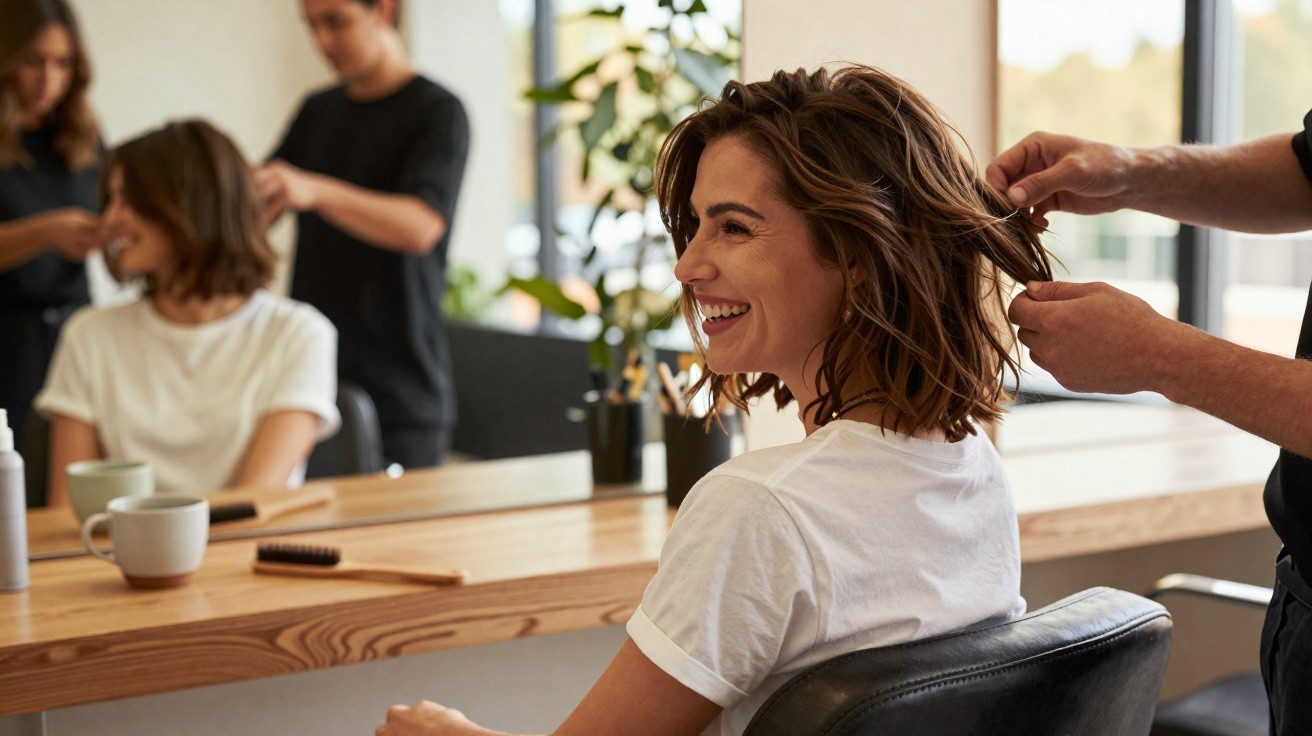
- Balayage or “bronde”: hand-painted, blended highlights that sit between brown and blonde.
- Soft ombré: the root stays darker while the lengths lighten gradually, without a hard line.
- Blended roots: the natural root is deliberately kept, fading softly into lighter ends.
This adds brightness through the hair without an overly pale “frame” overpowering the face. Regrowth is less disruptive, reading more like intentional shadow and added depth.
Why warm tones are often easier for brunettes to wear
For warm or olive complexions in particular, golden accents can be transformative. Suitable directions include, for example:
- Almond or honey tones
- Caramel highlights
- Hazelnut blends
- Subtle copper reflections
These shades bounce light without washing out the skin. They create movement through the hair, make cuts look more dynamic, and usually sit far more naturally alongside darker eyebrows.
"As a rule of thumb: the new colour should be no more than two to three levels lighter than the natural base – and it should stay within the same colour family."
What brunettes should clarify before their hair appointment
If you’re considering a move towards blonde, a few questions can help you prepare:
- How much maintenance and styling am I genuinely willing to take on?
- Do I want imperfections, fine lines or dark circles emphasised – or softened?
- Which reference photos truly show a skin and hair type similar to mine?
- Am I open to in-between options like balayage instead of full blonde?
Many colourists recommend a consultation before any major change. They’ll assess whether your skin reads warm or cool, how dense and strong your hair is, and how much previous colour treatment it has had. From there, it’s possible to choose blonde tones that actually work in everyday settings.
A make-up test can also be revealing: if you realise only heavy make-up or strong bronzing “rescues” your complexion against a very cool blonde, you quickly learn how practical that dream shade really is.
Ultimately, hair colour needs to look right not only in photos but in ordinary life – under office lighting, on a walk, and in the bathroom mirror first thing in the morning. Brunettes, in particular, can achieve a huge impact with carefully placed warm accents and a little extra brightness, without losing what makes them look like themselves. The radical ice blonde option may look dramatic, but it often leaves faces appearing stricter and more tired than many people expect.


Comments
No comments yet. Be the first to comment!
Leave a Comment